Digestive surgery in Ecuador plays a crucial role in treating diseases of the gastrointestinal tract, including the esophagus, stomach, small intestine, colon, rectum, liver, gallbladder, and pancreas.
Due to lifestyle changes, dietary habits, and increased health awareness, more patients are seeking digestive surgery in Ecuador to improve their quality of life. This guide explains common procedures, the surgical process, recovery recommendations, and where to find specialized care.
What Is Digestive Surgery?
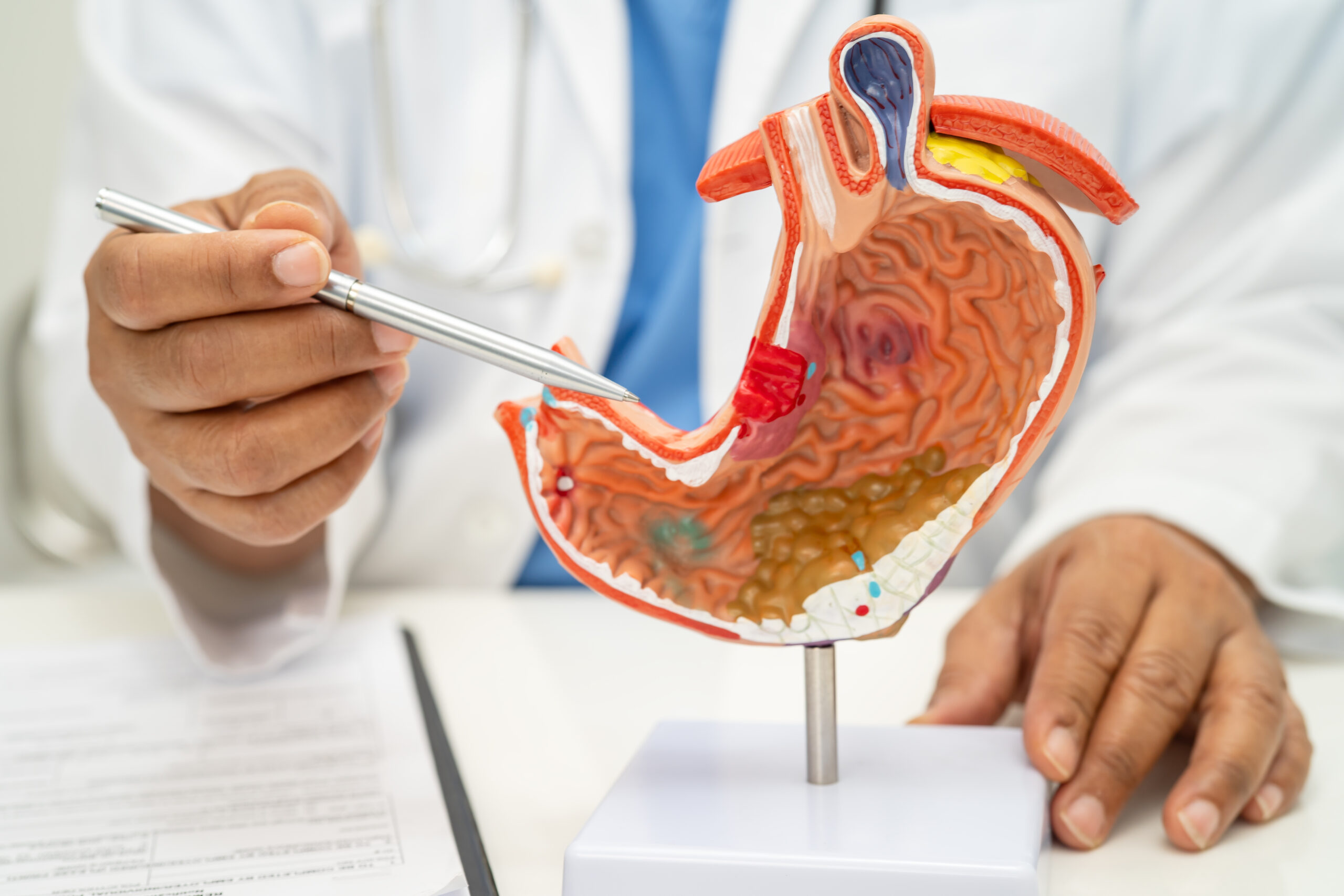
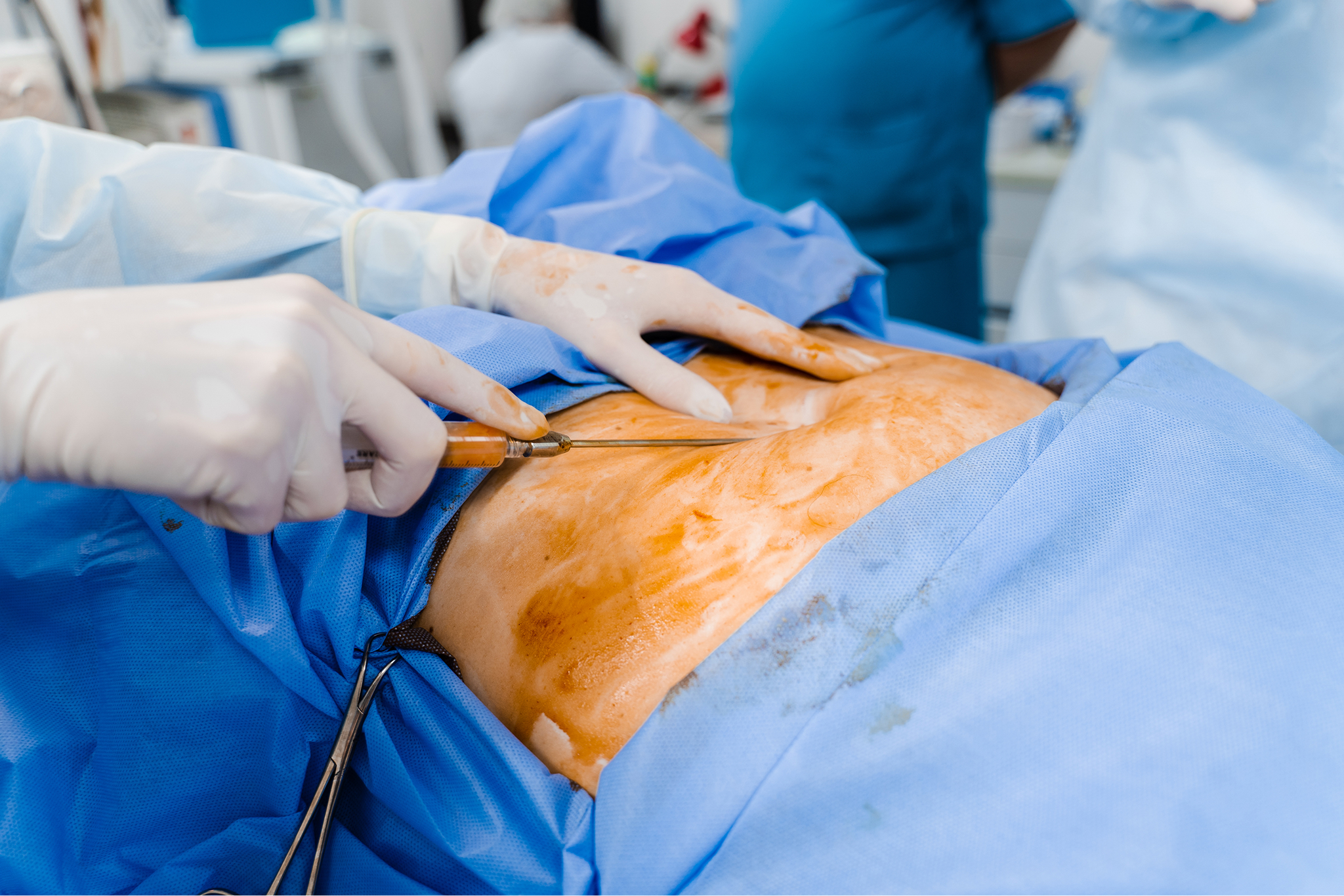
Digestive surgery focuses on diagnosing and surgically treating conditions that affect the digestive system. These procedures can be performed using traditional open surgery or minimally invasive laparoscopic techniques.
Minimally invasive surgery typically offers:
- Less postoperative pain
- Smaller scars
- Shorter hospital stays
- Faster recovery times
Common Types of Digestive Surgery in Ecuador
There are several procedures included under digestive surgery in Ecuador, depending on the patient’s diagnosis.
Cholecystectomy (Gallbladder Removal)
Removal of the gallbladder, commonly performed laparoscopically to treat gallstones and inflammation.
Appendectomy
Surgical removal of the appendix, often performed as an emergency procedure.
Hernia Repair Surgery
Treatment of inguinal, umbilical, or incisional hernias to prevent complications and discomfort.
Gastrectomy
Partial or total removal of the stomach, often necessary in cases of gastric cancer.
Intestinal Resection
Removal of a segment of the small or large intestine to treat conditions such as Crohn’s disease, ulcerative colitis, or colorectal cancer.
Bariatric Surgery
Weight-loss procedures such as gastric sleeve or gastric bypass, recommended for patients with severe obesity.
Learn more about bariatric surgery at the National Institute of Diabetes and Digestive and Kidney Diseases:
https://www.niddk.nih.gov/health-information/weight-management/bariatric-surgery
The Digestive Surgery Process
The journey toward digestive surgery in Ecuador begins with a comprehensive medical evaluation.
Preoperative Evaluation
- Detailed medical history
- Physical examination
- Diagnostic tests such as endoscopy and colonoscopy
- Imaging studies (CT scans and MRI)
For general information about digestive conditions, visit the Mayo Clinic:
https://www.mayoclinic.org
A qualified digestive surgeon will analyze your results and recommend the most appropriate treatment plan.
Postoperative Care and Recovery
Recovery is a crucial phase after digestive surgery in Ecuador. Following medical recommendations reduces complications and improves outcomes.
Dietary Recommendations
Patients usually begin with a liquid or soft diet and gradually return to normal foods as tolerated.
Medications
Pain management medications and, if necessary, antibiotics are prescribed.
Physical Activity
Light walking is encouraged to prevent complications such as deep vein thrombosis.
Follow-Up Appointments
Attending follow-up visits allows the surgeon to monitor healing progress.
Where to Find Digestive Surgery in Ecuador
Ecuador offers modern hospitals and specialized clinics equipped with advanced surgical technology.
To find certified professionals, consult the directory of the Sociedad Ecuatoriana de Cirugía:
https://www.secirugia.ec
You may also schedule a consultation with Dr. Luis Flores at:
https://www.drluisflores.com
Choosing an experienced specialist ensures safe and effective digestive surgery in Ecuador.
Conclusion
Digestive surgery in Ecuador offers advanced treatment options for a wide range of gastrointestinal conditions. With experienced surgeons, modern technology, and proper postoperative care, patients can significantly improve their health and quality of life.
Early diagnosis and timely treatment are key factors in achieving successful outcomes. If you are experiencing digestive symptoms, seeking professional medical evaluation is the first step toward recovery.