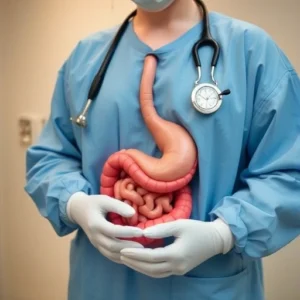
Digestive Surgery in Ecuador: A Complete Guide to Better Health
Digestive surgery is a crucial medical specialty that deals with the diagnosis and surgical treatment of diseases of the digestive system. In Ecuador, the demand for these procedures has increased significantly due to the growing prevalence of conditions such as gastroesophageal reflux disease (GERD), gallstones, hernias, obesity, and colon cancer, among others. This article provides a comprehensive overview of the processes, care, treatments, and important considerations regarding digestive surgery, with a focus on the Ecuadorian reality.
Common Digestive Surgical Procedures in Ecuador
There are various digestive surgical interventions, each designed to treat a specific condition. Some of the most common in Ecuador include:
- Cholecystectomy: Removal of the gallbladder, usually for gallstones.
- Hernioplasty: Repair of abdominal hernias, whether inguinal, umbilical, or incisional.
- Reflux surgery (Nissen fundoplication): Procedure to treat GERD, strengthening the lower esophageal sphincter.
- Bariatric Surgery: Procedures to treat obesity, such as gastric bypass and sleeve gastrectomy. More information on bariatric surgery
- Colorectal Surgery: Treatment of diseases of the colon and rectum, including colorectal cancer, diverticulitis, and inflammatory bowel disease.
- Appendectomy: Removal of the appendix.
Postoperative Care and Recovery
Recovery after digestive surgery varies depending on the type of procedure and the patient’s general health. However, some general aspects of postoperative care are common:
- Pain management: Adequate pain control is essential for a comfortable recovery. Analgesics are prescribed as needed.
- Diet: Initially, a liquid or soft diet is recommended, which is gradually progressed as the patient recovers.
- Physical activity: Mild physical activity is encouraged to prevent complications such as thrombosis.
- Medical follow-up: It is crucial to attend follow-up appointments with the surgeon to monitor progress and detect possible complications.
- Wound care: Keeping incisions clean and dry is essential to prevent infections.
Advanced Treatments and Approaches in Ecuador
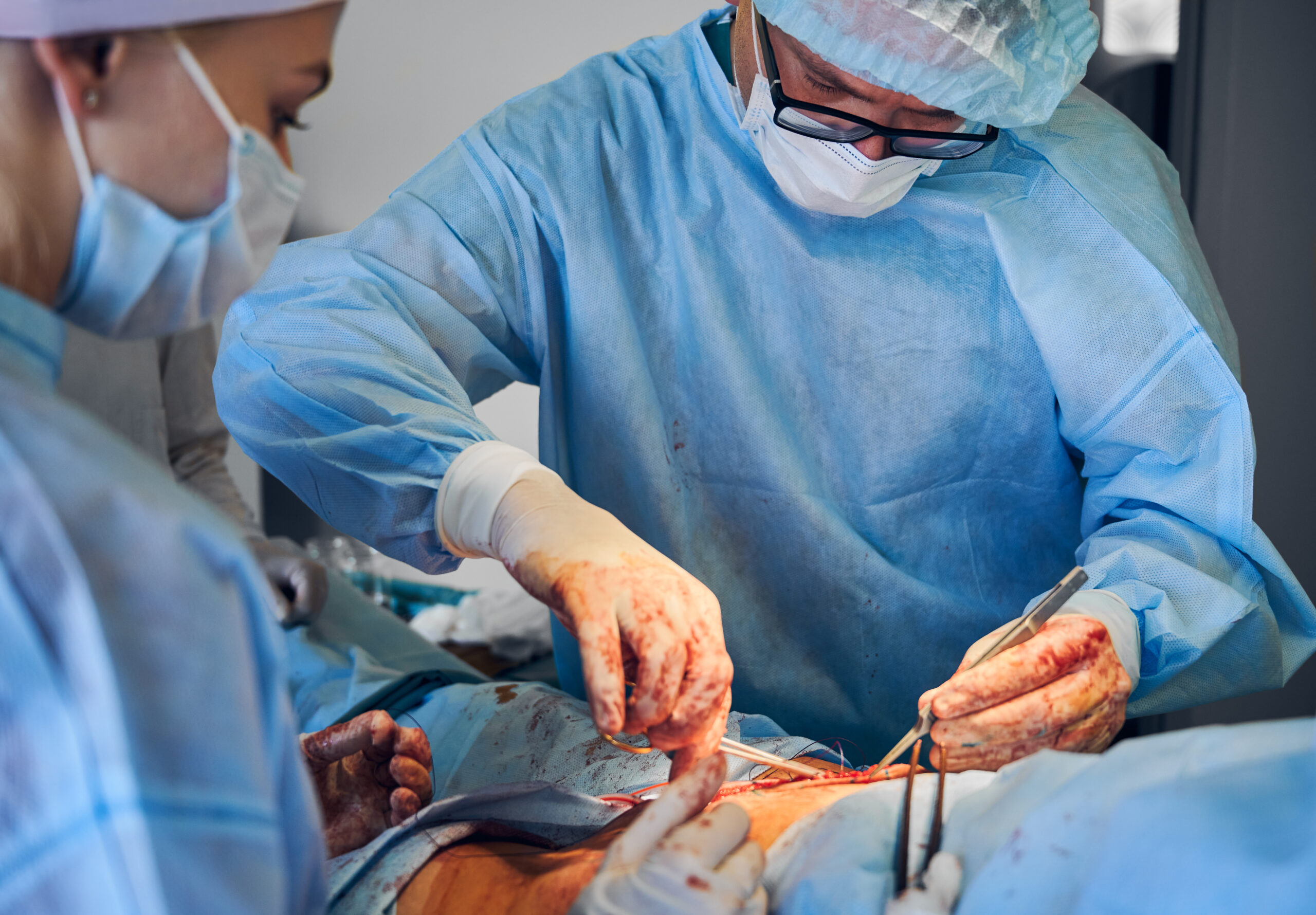
In Ecuador, many digestive surgeons are using minimally invasive surgical techniques, such as laparoscopy and robotic surgery, which offer benefits such as less postoperative pain, smaller scars, faster recovery, and a lower risk of complications. It is important to choose a surgeon with experience in these advanced techniques.
In addition, postoperative rehabilitation and nutritional support programs are being implemented to improve outcomes and the quality of life of patients. It is essential to seek a center that offers a comprehensive approach to care.
Where to Seek Care in Ecuador
To find a qualified digestive surgeon in Ecuador, it is recommended to:
- Consult with your general practitioner or internist.
- Investigate the surgeon’s experience and credentials.
- Seek recommendations from other patients.
- Verify that the surgeon is certified by the relevant medical authorities.
For more detailed information and to schedule a consultation, visit the website of Dr. Luis Flores, a specialist in digestive surgery in Ecuador. You can also consult resources such as:
- Sociedad Ecuatoriana de Cirugía (Ecuadorian Society of Surgery): sec.org.ec (Website of the Ecuadorian Society of Surgery)
- World Gastroenterology Organisation: worldgastroenterology.org (International information on gastroenterology)
Digestive surgery can significantly improve the quality of life of patients suffering from gastrointestinal diseases. In Ecuador, access to specialized care and advanced surgical techniques is constantly evolving. The informed choice of an experienced surgeon and proper follow-up are key to a successful recovery and a return to optimal health.