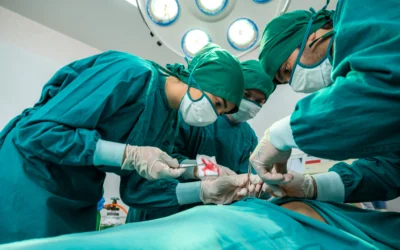

Liver Surgery in Ecuador: Innovation and Precision in Hepatic Treatment
Liver surgery, technically known as hepatectomy, represents one of the most complex and challenging fields in digestive surgery. In the context of Ecuador, advances in minimally invasive techniques and a multidisciplinary approach have allowed patients with complex liver conditions to access treatments with greater safety and optimized recovery times. Experience is key when dealing with procedures that require detailed anatomy and absolute surgical precision.
Pathologies Requiring Hepatic Surgical Intervention
The liver can be affected by various conditions that require the expertise of a specialist in digestive surgery. Among the most frequent indications for liver surgery, we find:
- Primary liver tumors: Such as hepatocellular carcinoma.
- Liver metastases: Especially those derived from colorectal cancer.
- Benign lesions: Adenomas, symptomatic hemangiomas, or focal nodular hyperplasia.
- Hydatid or parasitic cysts: A pathology with significant presence in certain rural areas of the Ecuadorian Andes.
The Approach of Dr. Luis Flores: Quality and Safety
Selecting the ideal candidate for a hepatectomy is a critical process. In the practice of Dr. Luis Flores, the approach focuses on a comprehensive evaluation using advanced imaging (multidetector CT and MRI) to define precise resection, while always preserving the volume of the remaining functional liver. Modern surgery seeks to minimize bleeding and reduce postoperative complications, ensuring that the patient can successfully return to their daily activities.
Advances and Recommendations for Patients
Liver surgery has evolved toward laparoscopic techniques, which allow the Ecuadorian patient a reduced hospital stay and less postoperative pain. It is essential that any patient with a suspected liver disease seek specialized evaluation for early diagnosis.
For more information on current surgical protocols, it is recommended to consult high-level sources such as the American Association for the Study of Liver Diseases (AASLD) or review the clinical practice guidelines published by the World Health Organization (WHO) regarding the management of liver health. Early detection is the most important factor for the successful prognosis of any surgical intervention in the digestive system.