
The liver is one of the most complex, fascinating, and vital organs in the human body. It performs fundamental functions such as filtering toxins, producing bile for digestion, synthesizing proteins essential for blood clotting, and storing energy. However, when faced with complex conditions such as malignant tumors, metastases, giant cysts, or advanced liver disease, conventional medical treatments often reach their limit. This is where liver surgery becomes an indispensable therapeutic tool and, in many cases, the only true curative alternative. As a hepatopancreatobiliary digestive surgeon in Cuenca, Ecuador, I fully understand the anxiety that a liver lesion diagnosis generates in patients and their families. Therefore, modern medicine has evolved toward highly specialized surgical techniques aimed at preserving as much healthy tissue as possible, ensuring safety, and significantly improving the life expectancy and quality of life of those who place their trust in our medical team.
Liver surgery comprises a set of advanced surgical procedures designed to partially or totally remove liver tissue affected by benign or malignant tumors, severe trauma, or complex infections. This intervention takes advantage of the extraordinary regenerative capacity of the human liver, allowing the organ to recover its optimal volume and function weeks after the operation.
What is liver surgery?
Liver surgery, also known as hepatectomy or hepatic resection, is a specialized surgical procedure that involves the removal of a specific portion or a complete lobe of the liver. It can be performed using traditional open techniques or minimally invasive approaches such as laparoscopic surgery, depending on the complexity and location of the lesion. Its primary goal is to completely eradicate the pathology while preserving sufficient functional tissue to ensure the patient’s survival and metabolic well-being.
When is it indicated?
The indications for performing a hepatic resection are diverse and require a thorough multidisciplinary evaluation in our practice in Cuenca, Ecuador. According to international guidelines from the International Hepato-Pancreato-Biliary Association (IHPBA) and the protocols of the Ministry of Public Health (MSP), the main clinical situations requiring this procedure include:
- Primary liver cancer: Such as hepatocellular carcinoma, especially in patients with compensated chronic disease.
- Liver metastases: Primarily derived from colorectal cancer, where surgical removal offers the best long-term survival rates.
- Symptomatic benign tumors: Liver adenomas with a risk of bleeding or malignant transformation, or giant hemangiomas causing compression or other disabling symptoms.
- Complex or parasitic cysts: Such as hepatic hydatidosis or giant cysts that do not respond to percutaneous treatments.
- Severe liver trauma: Traumatic injuries from accidents that cause uncontrollable bleeding through other containment methods.
Step-by-Step Process or Treatment
The surgical approach to liver disease requires a rigorous protocol that guarantees maximum precision and safety. In our specialized practice, the process follows a series of clearly defined stages:
- Comprehensive preoperative evaluation: We perform high-resolution imaging studies, such as triphasic computed tomography (CT) or magnetic resonance imaging (MRI), along with liver volumetry to accurately calculate the remaining healthy liver remnant after the operation.
- Anesthetic and cardiological risk assessment: The patient’s general functional status is examined to minimize any complications during the surgical procedure.
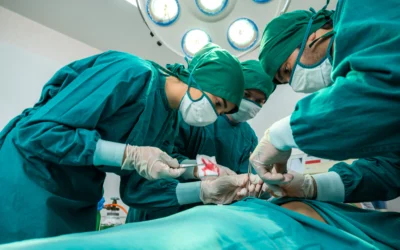
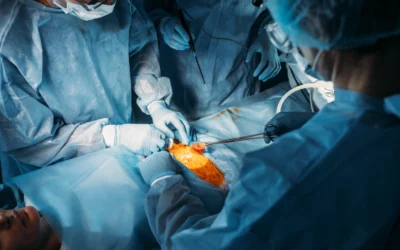
- Surgical approach: Under general anesthesia, the incision is made (laparoscopic or open). The liver is carefully mobilized, and the main blood vessels and bile ducts are meticulously identified and controlled using advanced vascular sealing technology.
- Liver resection: The liver parenchyma is sectioned using specialized instruments to minimize intraoperative bleeding, removing the lesion with safe oncological margins.
- Closure and transfer to intensive care: Drains are placed if necessary, and the abdominal wall is closed. The patient is transferred to the Intensive Care Unit (ICU) for close hemodynamic monitoring during the first 24 to 48 hours.
- To learn more about how we approach these complex conditions, you can visit our section on digestive and hepatopancreatobiliary surgery in Cuenca, Ecuador.
Recovery and Care
Recovery after liver surgery is a gradual process that requires specialized clinical management. Immediately after the operation, the patient remains in the ICU to monitor liver function, fluid balance, and prevent bleeding. Within a few days, oral feeding is progressively resumed, starting with liquids and advancing to a nutrient-rich, low-saturated-fat soft diet.
The usual hospital stay ranges from 5 to 10 days, depending on the complexity of the resection and the technique used (laparoscopic versus open). Once at home, the patient must maintain relative rest, avoid lifting heavy objects for at least six to eight weeks, and attend rigorous post-operative follow-up appointments. The liver will begin its cellular regeneration process immediately, reaching its full functional size approximately six to twelve weeks after the surgical intervention.
How much does it cost in Cuenca, Ecuador?
The cost of liver surgery in Cuenca, Ecuador, is variable and depends directly on factors such as the complexity of the case, the technique used (laparoscopic or open), the days spent in the intensive care unit, and the fees of the specialized surgical team. As a guide, in the private sector of our city, a procedure of this magnitude can range between $8,000 and $20,000 US dollars. This comprehensive value generally includes the operating room, advanced medical supplies, anesthesiology, hospital stay, and medical fees. I always recommend a personalized assessment to provide an exact budget tailored to each patient’s clinical needs.
Frequently Asked Questions
Is it painful?
During the procedure, the patient is completely asleep under general anesthesia. In the immediate postoperative period, there will be moderate pain at the incision site, which is effectively controlled using patient-controlled analgesia (PCA) pumps and intravenous medications prescribed by the anesthesiology team.
How long does recovery take?
Initial functional recovery takes between 4 and 6 weeks, during which the patient recovers their usual energy levels. However, complete recovery and total liver regeneration may require up to 3 months of care and continuous medical follow-up.
Does health insurance cover it in Ecuador?
The vast majority of prepaid medicine policies and private insurance plans in Ecuador cover liver surgery when a pathology that meets established medical criteria is diagnosed. It is essential to review the waiting periods and specific conditions of your policy. Additionally, if you wish to consult more details about coverage and the conditions we treat, we invite you to review our services at www.drluisflores.com.
Can I lead a normal life without a part of my liver?
Yes, absolutely. Due to the liver’s extraordinary regenerative capacity, individuals who undergo proper liver resection can lead a completely normal, active, and healthy life once the postoperative recovery process is complete.
When to consult Dr. Luis Flores?
If you or a family member has recently received a diagnosis of a liver tumor, metastasis, complex cyst, or presents persistent symptoms such as pain in the upper right quadrant of the abdomen, unexplained weight loss, or yellowing of the skin or eyes (jaundice), it is vital to have a specialized medical evaluation as soon as possible. As a specialist in hepatopancreatobiliary digestive surgery in Cuenca, Ecuador, I am committed to offering you an accurate diagnosis, an individualized therapeutic plan, and compassionate, professional support throughout your recovery process. Do not hesitate to schedule an appointment to evaluate your clinical case with the scientific rigor you deserve.
References consulted:
- World Health Organization (WHO). Global statistics on oncological and digestive pathologies.
- Ministry of Public Health of Ecuador (MSP). Clinical Practice Guidelines in Oncology and General Surgery.
- International Hepato-Pancreato-Biliary Association (IHPBA). Evidence-based guidelines for safe liver resection.