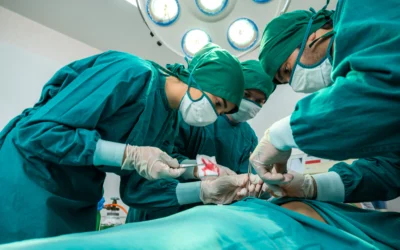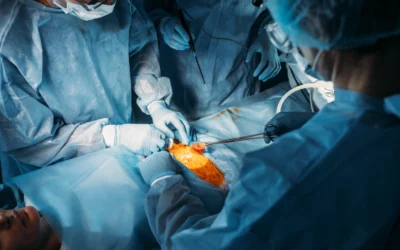

The pancreas is a vital organ located deep within the abdomen, behind the stomach, responsible for functions as important as food digestion and blood sugar regulation. When this organ becomes severely diseased due to tumors, severe chronic pancreatitis, or complex cysts, surgical intervention becomes one of the most challenging and decisive medical choices for the patient’s health. In my daily practice as a hepatopancreatobiliary digestive surgeon in Cuenca, Ecuador, I fully understand the anxiety that a pancreatic diagnosis generates in families. Pancreatic surgery has evolved enormously thanks to advanced technology and specialization, allowing us to offer safer and more precise approaches aimed at preserving the quality of life of every patient who trusts in our experience.
Pancreatic surgery encompasses a set of complex surgical procedures—such as the duodenopancreatectomy or Whipple procedure, distal pancreatectomies, and enucleations—designed to remove tumors, cystic lesions, or damaged pancreatic tissue, restoring digestive continuity and preventing or treating serious complications such as cancer.
What is pancreatic surgery?
Pancreatic surgery is a highly complex procedure within digestive and hepatopancreatobiliary surgery. Its primary objective is the resection of portions of the pancreas or the entirety of the organ, along with neighboring structures when necessary (such as the duodenum, bile duct, or lymph nodes), to treat aggressive benign or malignant pathologies such as pancreatic ductal adenocarcinoma, neuroendocrine tumors, and mucinous cystic neoplasms. Due to the complex network of blood vessels surrounding the pancreas and its delicate texture, these operations require highly specialized training and multidisciplinary management in centers with proven experience.
When is it indicated?
The indications for surgical intervention on the pancreas are precise and are based on advanced imaging studies such as triphasic computed tomography (CT), magnetic resonance imaging (MRI), and endoscopic ultrasound. As a specialist, I indicate this procedure in the following main clinical scenarios:
- Pancreatic cancer: When the tumor is localized and resectable, surgery represents the only real chance for long-term cure.
- Pancreatic neuroendocrine tumors (NETs): Neoplasms that can be functioning (producing hormones) or non-functioning, many of which benefit from partial resections or enucleations.
- Mucinous cystic neoplasms or IPMNs: Cysts in the pancreas with the potential to become malignant and turn into cancer, which must be removed preventively.
- Complicated chronic pancreatitis: Severe cases with intractable pain, obstruction of the main pancreatic duct, or suspicion of malignant transformation.
- Severe abdominal trauma: Direct traumatic injuries resulting in transection or severe damage to the main pancreatic duct.
Step-by-step process or treatment
The surgical approach to the pancreas follows rigorous international safety protocols to minimize complications and optimize oncological and functional outcomes. The process is divided into the following stages:
- Comprehensive preoperative evaluation: We perform a complete functional assessment that includes laboratory tests, cardiological and nutritional evaluations, and advanced imaging studies to confirm the resectability of the lesion.
- Planning and preparation: Optimization of the patient’s nutritional status and management of jaundice (yellowing of the skin) through prior biliary drainage if the case warrants it.
- Surgical intervention: Depending on the pathology, surgery is performed either openly or through minimally invasive techniques (laparoscopic or robot-assisted). The Whipple procedure (duodenopancreatectomy) is the most common for lesions in the head of the pancreas, while distal pancreatectomy is reserved for the body and tail.
- Digestive reconstruction: The pancreatic remnants, bile duct, and stomach or small intestine are reconnected to ensure adequate gastrointestinal transit.
- Intensive Care Unit (ICU) monitoring: For the first 24 to 48 hours postoperatively, the patient remains under strict medical surveillance specialized in the management of critical patients.
Recovery and care
Recovery after pancreatic surgery is a gradual process that requires patience and constant medical support. During the first few days in the hospital, the multidisciplinary team works on pain control, early mobilization to prevent thrombosis, and the progressive initiation of oral tolerance, starting with clear liquids and advancing to a soft, low-fat, fractionated diet. At home, it is essential to strictly follow instructions regarding wound management, taking supplemental pancreatic enzymes if the organ has reduced its digestive capacity, and monitoring blood glucose in case of temporary or permanent alteration of sugar metabolism. Follow-up visits at my office in Cuenca are essential to evaluate short- and long-term clinical progress.
How much does it cost in Cuenca, Ecuador?
The cost of pancreatic surgery in Cuenca, Ecuador, is variable due to the high technical complexity demanded by this type of procedure. In general terms, the total value ranges between $12,000 and $25,000 US dollars in the private sector. This range includes the fees of the specialized surgical team (digestive surgeon, assistants, scrub nurse), anesthesiologist, days spent in the hospitalization and intensive care unit (ICU) areas, as well as highly specialized medical supplies, medications, and control imaging studies. Each case is unique, so a personalized medical assessment is necessary to provide an exact budget tailored to the patient’s clinical needs.
According to statistics from the Ministry of Public Health of Ecuador (MSP) and international oncology guidelines, centralizing these complex procedures in the hands of certified hepatopancreatobiliary surgeons significantly reduces the complication rate and operative mortality.
Frequently Asked Questions
Is it painful?
Postoperative pain is managed proactively and effectively through advanced multimodal analgesia protocols, which include epidural catheters, patient-controlled infusion pumps, and intravenous painkillers. Although the first 48 to 72 hours can be uncomfortable, the medical team ensures the patient remains comfortable to facilitate early mobilization.
How long does recovery last?
The usual hospital stay after pancreatic surgery ranges between 7 and 14 days, provided there are no complications such as pancreatic fistulas or infections. Complete recovery at home, allowing the resumption of daily activities and low-demand work, takes between 6 and 12 weeks.
Does health insurance cover it in Ecuador?
Yes, most prepaid medicine policies and private health insurances in Ecuador cover pancreatic surgery, as long as the pathology is not pre-existing at the time the policy is contracted or the waiting periods established by each insurance company are met. We recommend consulting directly with your insurance advisor or our administrative team to verify coverage.
Can you live a normal life without a part of the pancreas?
Absolutely. The human body has a great capacity for adaptation. If a portion of the pancreas is removed, the remaining tissue usually compensates for digestive and hormonal function. If the resection is total or partial and insulin or enzyme production is affected, these can easily be replaced through oral enzyme replacement therapy and hypoglycemic medications or insulin.
Comparison of Surgical Approaches in Pancreatic Surgery
| Characteristic | Traditional Open Surgery | Minimally Invasive Surgery (Laparoscopic / Robotic) |
|---|---|---|
| Incision | Large abdominal incision (midline or subcostal). | Small incisions of 5 to 12 millimeters. |
| Postoperative pain | Greater due to the size of the surgical wound. | Significantly less. |
| Hospital stay | Generally between 9 and 14 days. | Shorter, usually between 5 and 9 days. |
| Indication | Locally advanced tumors, large size, or high vascular complexity. | Selected lesions, benign or malignant in early stages. |
When to consult Dr. Luis Flores?
If you or a family member has received a recent diagnosis of a pancreatic tumor, severe chronic pancreatitis, suspicious pancreatic cysts, or presents persistent symptoms such as high abdominal pain radiating to the back, unexplained weight loss, jaundice (yellowing of the skin and eyes), or dark urine, it is essential to have a specialized evaluation in a timely manner. As a hepatopancreatobiliary digestive surgeon, I am here to provide you with an honest evaluation, an accurate diagnosis, and a treatment plan tailored to your condition. I invite you to learn more about our background and services by visiting the hepatopancreatobiliary surgery section or schedule a direct appointment through our care channels in Cuenca, Ecuador.
‘Surgical excellence in complex pathologies such as those of the pancreas requires not only technical skill, but also a deep human commitment to the safety and comprehensive well-being of every patient.’ — Dr. Luis Flores