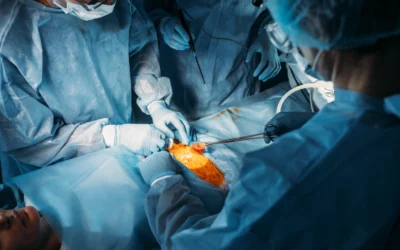
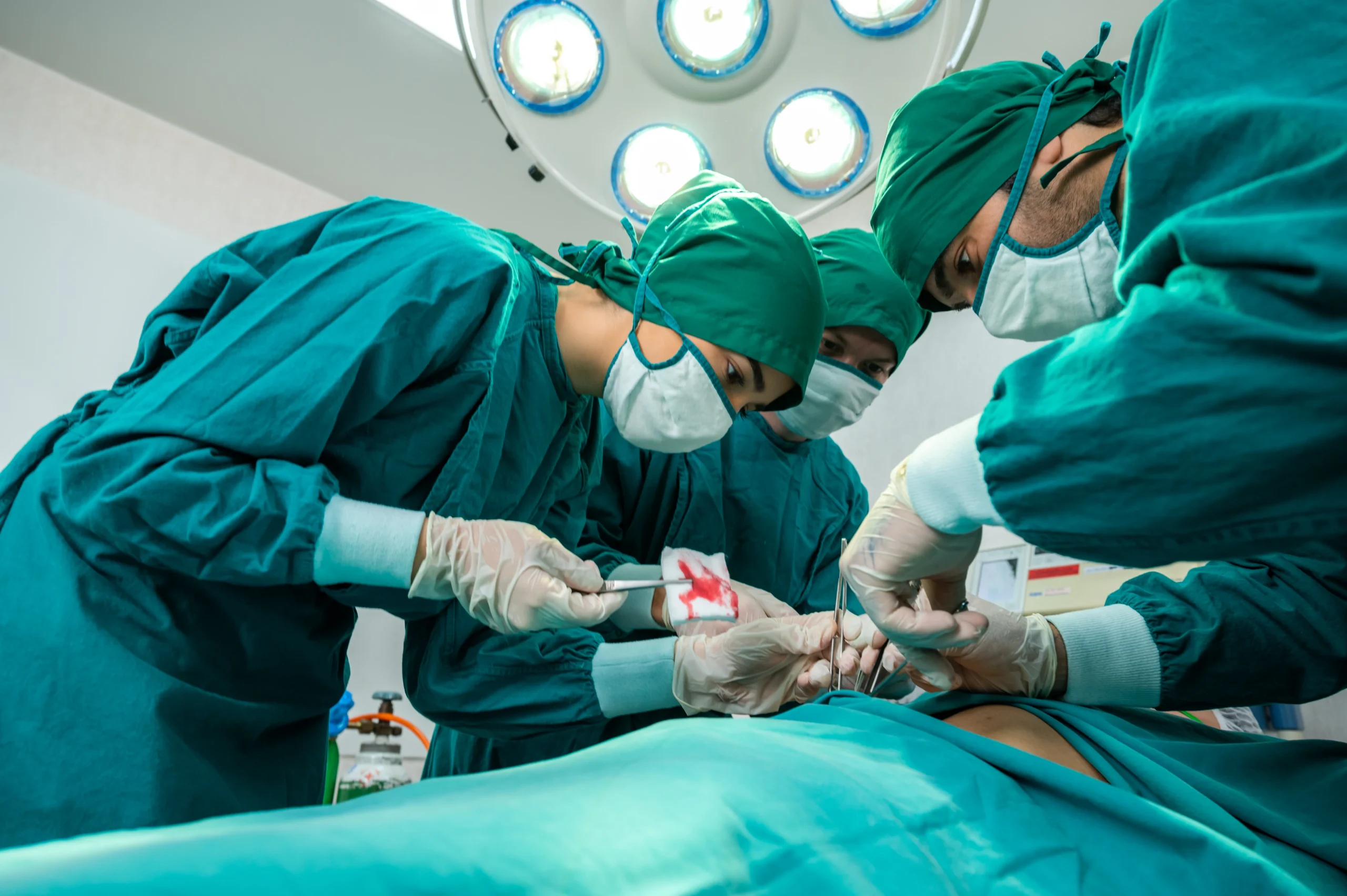
The liver is one of the most complex and vital organs in the human body, responsible for essential metabolic functions, blood detoxification, and the production of proteins indispensable for coagulation. When this organ is affected by benign or malignant tumors, severe trauma, or advanced chronic diseases, surgical intervention becomes the fundamental pillar to save the patient’s life. In my daily practice as a hepatopancreatic digestive surgeon in Cuenca, Ecuador, I see how technological advancements and minimally invasive techniques have radically transformed the prognosis of these complex pathologies, allowing for safe liver resections and a remarkably faster recovery for our Andean patients and those from all over the country.
Liver surgery, also known as hepatectomy or liver resection, is a specialized surgical procedure that involves the partial or total removal of liver tissue affected by diseases such as primary cancer, metastases, complex cysts, or traumatic injuries, taking advantage of the extraordinary regenerative capacity this organ possesses.
What is liver surgery?
Liver surgery comprises a set of highly specialized surgical procedures aimed at removing a portion of the liver (liver resection) or, in extreme cases, completely replacing it through a transplant. The human liver has the unique capacity to regenerate; a patient can lose up to 70 or 80 percent of their liver volume and, if the remaining tissue is healthy, the organ can regain its full size and function in just a few weeks. As a specialist in hepatopancreatic surgery, my goal is to plan each intervention using three-dimensional navigation technology and advanced tools to ensure safe oncological margins while preserving sufficient functional liver parenchyma to guarantee the patient’s survival and well-being.
When is it indicated?
The indications for surgical intervention on the liver are diverse and require a thorough multidisciplinary evaluation. In the context of public and private health in Ecuador, international clinical guidelines and those of the Ministry of Public Health establish precise criteria for selecting patients who are candidates for this type of procedure.
- Hepatocellular carcinoma (HCC): This is the most common primary malignant liver tumor, frequently associated with cirrhosis caused by hepatitis B, C, or non-alcoholic fatty liver disease (NAFLD).
- Liver metastases: Very common in patients with advanced colorectal cancer. Nowadays, aggressive metastasis surgery offers very encouraging long-term cure and survival rates.
- Intrahepatic cholangiocarcinoma: Cancer that originates in the bile ducts inside the liver.
- Symptomatic benign tumors: Such as liver adenomas with a risk of bleeding or malignant transformation, giant hemangiomas causing compression, or symptomatic focal nodular hyperplasia.
- Complex cystic diseases: Complicated hydatid cysts or symptomatic polycystic liver disease that do not respond to conservative treatments.
- Severe liver trauma: Injuries from traffic accidents or penetrating wounds that cause uncontrollable hemorrhages requiring urgent surgical control.
Step-by-step process or treatment
The approach to a liver resection at my surgical center in Cuenca follows strict international safety and Enhanced Recovery After Surgery (ERAS) protocols. The process is divided into the following stages:
- Comprehensive preoperative evaluation: Includes triphasic abdominal computed tomography (CT), liver magnetic resonance imaging (MRI), liver function studies, and a complete cardiological and respiratory assessment to calculate future liver volume (FLV).
- Virtual surgical planning: Use of 3D reconstruction software to map the patient’s specific vascular and biliary anatomy, minimizing the risks of intraoperative bleeding.
- Anesthesia and preparation: Placement of advanced hemodynamic monitors and balanced general anesthesia, maintaining low central venous pressures to reduce liver bleeding.
- Surgical approach: It can be performed through traditional open surgery with a subcostal incision or through minimally invasive techniques (laparoscopic or robot-assisted) in selected cases.
- Dissection and vascular control: Meticulous identification of the portal, hepatic, and arterial structures, using advanced energy devices (such as ultrasonic scalpels or vascular sealers) to section the liver parenchyma with minimal blood loss.
- Hemostasis and closure: Thorough verification that there are no bile leaks or bleeding in the resection bed, optional placement of drains, and anatomical closure of the abdominal wall.
- Transfer to intensive care (ICU): Close monitoring during the first 24 to 48 hours to stabilize metabolic and hemodynamic function.
Recovery and care
Recovery after liver surgery requires patience, discipline, and rigorous medical follow-up. Immediately after the procedure, the patient remains in the Intensive Care Unit where blood glucose, clotting factors, and liver enzymes are constantly evaluated, given that the liver undergoes temporary metabolic stress while initiating its regeneration process. Once transferred to the room, the ERAS protocol promotes early mobilization and the resumption of oral intake with a fractionated diet, low in fat and rich in high-quality proteins to favor cellular synthesis. It is completely normal to experience chronic fatigue during the first weeks, which progressively decreases as the organ recovers its total mass and function. During this period, it is vital to avoid alcohol consumption, self-medication with hepatotoxic drugs such as high-dose paracetamol, and intense physical activity until receiving final discharge at my office in Cuenca.
To delve deeper into how we address complex pathologies of the digestive system, I invite you to learn more about my services in the specialized digestive surgery services section.
How much does it cost in Cuenca, Ecuador?
The cost of liver surgery in Cuenca, Ecuador, is variable and depends fundamentally on the technical complexity of the procedure (minor resection versus major hepatectomy), the need for a minimally invasive approach, the days spent in the Intensive Care Unit (ICU), and the fees of the multidisciplinary surgical team (hepatopancreatic surgeon, cardiovascular anesthesiologist, intensivist, instrumenting nurses). As a guideline, in the private sector of the city, a procedure of this magnitude can range between $8,000 and $25,000 US dollars. This estimate usually includes high-tech operating rooms, specialized supplies, medications, and hospitalization. For patients affiliated with the Ecuadorian Social Security Institute (IESS) or users of the Ministry of Public Health (MSP), these complex procedures are covered within the comprehensive public health network, although they often require referrals to third-level national reference hospitals.
Frequently asked questions
Is it painful?
Yes, like any major abdominal surgery, there will be pain at the site of the surgical incision. However, in my clinical practice, we use advanced multimodal analgesia techniques, including epidural catheters and fascial plane blocks (such as the TAP block), which allows for very effective pain control and significantly reduces opioid consumption.
How long is the recovery?
The usual hospital stay ranges from 5 to 10 days, depending on the extent of the liver resection. Complete recovery at home, with a gradual return to office and daily work activities, takes between 6 and 12 weeks. Structural liver regeneration is usually completed around 3 months after surgery.
Does health insurance cover it in Ecuador?
The vast majority of prepaid medicine and private insurance policies in Ecuador cover liver surgery when there is a justified and documented medical diagnosis (such as malignant tumors or severe symptomatic pathologies). It is essential to carry out a pre-authorization process with the insurance company before scheduling the procedure. If you wish to review contact details to manage budgets or letters of guarantee, you can visit the Dr. Luis Flores contact page.
Is there a risk of liver failure after resection?
The risk of postoperative liver failure is the most feared complication, but it is drastically minimized through rigorous preoperative planning. We evaluate with millimeter precision the volume of the liver that will remain functional in the patient (liver remnant) and, in cases where this is insufficient, we can employ previous techniques such as portal vein embolization to induce liver growth before taking the patient to the operating room.
Below, I present a comparative table of the main surgical treatment options for liver lesions according to their complexity and approach:
| Type of Procedure | Main Indication | Usual Approach | Recovery Time |
|---|---|---|---|
| Minor liver resection (Segmentectomy / Wedge) | Single metastases, benign tumors, peripheral lesions. | Laparoscopic or Open | 3 to 6 weeks |
| Major hepatectomy (Hemihepatectomy) | Large hepatocellular carcinoma, multiple metastases, cholangiocarcinoma. | Open or Advanced Laparoscopic | 6 to 12 weeks |
| Radiofrequency / Microwave ablation | Small tumors in patients with a contraindication for open surgery. | Percutaneous (image-guided) or Laparoscopic | 1 to 2 weeks |
| Liver transplantation | End-stage cirrhosis, fulminant hepatic failure, selected tumors. | Complex Open | 3 to 6 months |
When to consult Dr. Luis Flores?
If you or a family member has recently received a diagnosis of a liver tumor, liver metastasis, complex cysts, or presents persistent symptoms such as pain in the upper right quadrant of the abdomen, jaundice (yellowish coloration of the skin and eyes), unexplained weight loss, or chronic fatigue, it is essential to have a timely specialized evaluation. As a hepatopancreatic digestive surgeon in Cuenca, Ecuador, I am committed to offering you an accurate diagnosis, an ethical analysis of your case, and a cutting-edge surgical plan focused on your safety and quality of life. Do not hesitate to schedule an appointment to evaluate your imaging studies and determine the best therapeutic strategy for your health.
To learn more about my academic background, surgical experience, and medical approach, I invite you to visit the about Dr. Luis Flores page.