
Dear patient, I am pleased to address a topic of vital importance in my specialty: liver surgery. This organ, crucial for countless vital functions such as detoxification, the production of essential proteins, and nutrient metabolism, can be affected by various pathologies that require precise and specialized surgical intervention. From primary tumors and metastases to cysts and traumas, hepatic surgery has evolved significantly, now offering increasingly safer and more effective therapeutic options. As your specialist in hepatopancreatobiliary digestive surgery in Cuenca, Ecuador, my commitment is to provide you with the clearest and most complete information, guiding you through this process with the highest scientific rigor and deeply human care.
Liver surgery, or hepatectomy, is a surgical procedure that involves the partial or, in exceptional cases, total removal of the liver, or the repair of lesions. Its main objective is to treat diseases such as tumors, cysts, or traumas, preserving residual liver function to optimize the patient’s health.
What is Liver Surgery?
Liver surgery, technically known as hepatic resection or hepatectomy, is a set of highly specialized surgical procedures aimed at treating various conditions that compromise the health of this vital organ. It is not a single type of intervention, but a range of techniques that may include the removal of a portion of the liver (anatomical or non-anatomical resection), ablation of lesions, drainage of cysts, or, in specific contexts, even preparation for a liver transplant. The liver has a remarkable capacity for regeneration, which allows for significant resections, always carefully evaluating the amount of healthy tissue remaining to ensure adequate liver function after the operation. My approach, as a specialist, is to minimize risk and optimize functional outcomes for each patient.
When is it indicated?
The indication for liver surgery is the result of a thorough diagnosis and a multidisciplinary evaluation, where the risks and benefits for the patient are weighed. Generally, surgical intervention is considered the most effective or even curative option in various conditions. Below, I detail the main indications:
- Primary Malignant Liver Tumors:
- Hepatocellular Carcinoma (HCC): The most common type of primary liver cancer, often associated with cirrhosis. Resection is curative in early stages and in patients with good liver function.
- Cholangiocarcinoma: Cancer of the bile ducts that originates inside or outside the liver. Resection, when possible, is the cornerstone of treatment.
- Other rare primary tumors.
- Liver Metastases:
- Colorectal Cancer Metastases (CRM): The liver is a frequent site of colorectal cancer metastases. Resection of these lesions has been shown to significantly increase patient survival.
- Metastases from other origins such as neuroendocrine tumors, breast cancer, among others, may also be candidates for resection if they are resectable and the patient’s general prognosis warrants it.
- Symptomatic or High-Risk Benign Liver Tumors:
- Hepatic Adenomas: Especially if they are large (greater than 5 cm), if they grow rapidly, if they are symptomatic, or if there is a risk of malignant transformation or hemorrhage.
- Giant Hemangiomas: When they cause significant symptoms (pain, compression of adjacent organs) or complications such as coagulopathy.
- Focal Nodular Hyperplasia (FNH): Generally does not require treatment, but resection may be considered if it is symptomatic or there are diagnostic doubts.
- Hepatic Cysts:
- Hydatid Cysts: Caused by a parasite (Echinococcus granulosus), prevalent in certain regions like ours in Ecuador. They require surgical treatment to eradicate the parasite and prevent complications.
- Simple Cysts: If they are large, cause symptoms (pain, compression) or become complicated (infection, hemorrhage).
- Polycystic Liver Disease: In selected cases of very large and symptomatic cysts.
- Severe Liver Trauma:
- In emergency situations, when there is uncontrollable hemorrhage or significant damage to liver tissue.
It is essential to understand that the decision to operate is made after a careful evaluation of the patient’s general condition, the extent of liver disease, residual liver function, and the presence of other comorbidities. My team and I in Cuenca, Ecuador, use the most current clinical guidelines to ensure the best indication.
According to the World Health Organization (WHO), liver and bile duct cancers are a significant cause of morbidity and mortality globally, underscoring the importance of early diagnosis and effective treatments such as surgery. Source: WHO – Cancer
To better illustrate, the following table summarizes some of the key indications and considerations:
| Condition | Type of Lesion | Common Indication | Key Considerations |
|---|---|---|---|
| Hepatocellular Carcinoma (HCC) | Primary Malignant | Solitary or few (<3) small tumors in livers with or without compensated cirrhosis. | Liver function, tumor size and number, vascular invasion, stage. |
| Colorectal Cancer Metastases | Secondary Malignant | Resectable lesions without uncontrollable extrahepatic disease. | Negative surgical margin, remnant liver volume, response to chemotherapy. |
| Hepatic Adenoma | Benign | Size >5 cm, rapid growth, symptoms, risk of malignant transformation or hemorrhage. | Symptoms, risk of complications, type of adenoma. |
| Hydatid Cyst | Parasitic | All active or complicated cysts. | Prevention of parasitic dissemination, location, size. |
Process or step-by-step treatment
Liver surgery is a complex procedure that is meticulously planned and executed. As your surgeon, Dr. Luis Flores, I ensure that each stage is understood and carried out with the highest standard of care.
1. Preoperative Evaluation and Planning
- Diagnosis and Staging: Advanced imaging studies such as computed tomography (CT), magnetic resonance imaging (MRI) with contrast, and ultrasounds are performed to locate and characterize the lesion. In cases of cancer, the stage of the disease is evaluated. Sometimes, a liver biopsy is necessary to confirm the diagnosis.
- Evaluation of Liver Function: It is crucial to determine the functional capacity of the remnant liver post-resection. Specific laboratory tests (bilirubin, INR, albumin) are performed and, occasionally, more complex studies such as 3D volumetric quantification of liver volume and liver functional reserve tests.
- Multidisciplinary Decision: In Cuenca, I collaborate with a team of oncologists, radiologists, pathologists, and anesthesiologists. Together, we discuss each case to define the most appropriate treatment strategy, which may include chemotherapy or radiation therapy before surgery (neoadjuvant therapy) to reduce tumor size or control the disease.
- Patient Optimization: Any pre-existing medical conditions (diabetes, hypertension, heart or lung diseases) are identified and managed to minimize risks. Patients are advised to stop smoking and alcohol consumption, and to optimize their nutritional status.
2. The Surgical Procedure
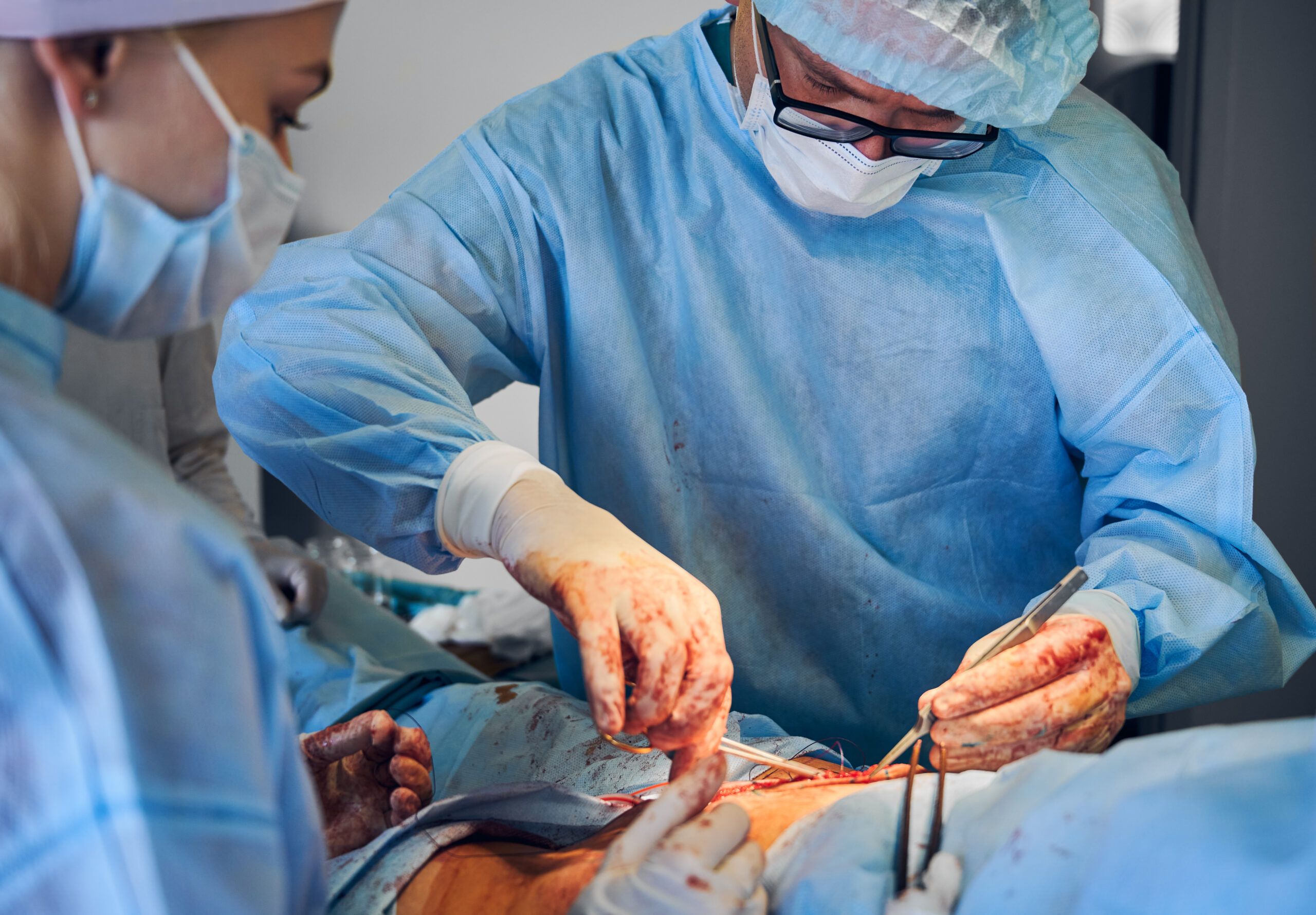
The surgery is performed under general anesthesia and can take several hours, depending on the complexity and size of the resection. Different approaches exist:
- Open Approach (Laparotomy): This is the traditional technique, involving a larger abdominal incision. It allows for direct visualization and extensive manipulation of the liver and adjacent structures. It is used in cases of large, complex tumors or when a large volume resection is required.
- Laparoscopic or Minimally Invasive Approach: Small incisions are made through which specialized instruments and a camera are inserted. It offers less postoperative pain, shorter hospital stays, and faster recovery. It is ideal for smaller resections or peripheral lesions, and its use has expanded thanks to technological advancements.
- Robotic Approach: An evolution of laparoscopy, where the surgeon controls robotic arms with greater dexterity, precision, and magnified 3D vision. It offers similar advantages to laparoscopy, with improved ergonomics for the surgeon in more complex procedures.
- Resection Technique: Once the liver is exposed, the blood vessels and bile ducts supplying the portion to be removed are carefully identified and ligated. Advanced technology such as ultrasonic scalpels, energy coagulators, or surgical staplers are used to divide the liver parenchyma and remove the lesion with a margin of healthy tissue.
- Hemostasis and Drainage: Any bleeding is meticulously controlled, and the integrity of the bile ducts is checked. A temporary drain is often placed to evacuate any fluid or bile that may accumulate.
- Closure: Incisions are closed with sutures or staples.
3. Immediate Postoperative Period
After surgery, the patient is transferred to the recovery room or intensive care unit for close monitoring.
- Pain Management: Multimodal analgesia protocols are implemented to effectively control pain, using a combination of medications.
- Monitoring: Vital signs, renal and liver function, drainage, and the patient’s overall response are closely monitored.
- Early Mobilization: We encourage early mobilization (walking short distances) as soon as it is safe, to prevent complications such as deep vein thrombosis and accelerate recovery.
- Diet: Starts with clear liquids and gradually progresses to a soft diet, according to patient tolerance.
Recovery and care
The recovery phase is as crucial as the surgery itself to ensure an optimal long-term outcome. As Dr. Luis Flores, I offer rigorous follow-up to my patients in Cuenca, Ecuador, to accompany them at every stage.
- Hospital Stay: The duration varies depending on the type and complexity of the surgery, as well as the patient’s individual response. Generally, a laparoscopic resection may require 3-7 days, while a more extensive open surgery could involve 7-10 days or more.
- Pain Management at Home: Analgesics are prescribed to control any residual discomfort. It is important to take them as directed to maintain good comfort.
- Incision Care: Keeping the wound clean and dry is essential to prevent infections. Specific instructions will be provided on how to clean and change dressings, if necessary. Avoid immersing the wound in water (baths, pools) until it is completely closed.
- Diet and Nutrition: A balanced and progressive diet is recommended. Initially, light and easily digestible foods. Over time, most patients can return to their usual diet. It is important to stay hydrated and avoid very fatty or heavy foods that may overload the liver in the first few weeks.
- Physical Activity: Gradual mobilization is key. Heavy lifting, strenuous efforts, or contact sports should be avoided for 6 to 12 weeks, depending on the magnitude of the surgery. Walking is an excellent form of initial exercise. Listening to your body is essential.
- Fatigue: It is normal to feel significant fatigue for the first few weeks or months after major liver surgery, as the body is using energy to heal and the liver is regenerating. Rest when you need it.
- Potential Complications: Although rare, these may include bleeding, bile leak, wound or intra-abdominal infection, or liver failure. It is vital to be alert for signs such as fever, severe pain not relieved by analgesics, jaundice (yellowing of the skin and eyes), or excessive wound drainage, and to contact the medical team immediately if they appear.
- Postoperative Follow-up: Regular follow-up appointments are scheduled to monitor your recovery, review pathology results (if applicable), and perform periodic imaging studies, especially in cancer cases, to detect any signs of recurrence.
My team and I are always available to answer your questions and support you on this path to full recovery. Patience and adherence to medical instructions are fundamental.
Frequently Asked Questions
Is it painful?
Thanks to advances in anesthetic techniques and pain management, current liver surgeries are performed with very effective pain control. During the procedure, general anesthesia is used, so you will not feel anything. Postoperatively, we use a multimodal approach that combines different types of analgesics (including epidurals or regional nerve blocks in some cases) to minimize discomfort. While it is normal to feel some pain or discomfort in the incision area, this is usually manageable with prescribed medication and progressively decreases over time. My priority is to ensure your comfort and the most pain-free recovery possible.
How long does recovery take?
The duration of recovery varies considerably depending on the complexity of the surgery, the approach used (laparoscopic vs. open), and the patient’s general health. A typical hospitalization can last between 3 and 10 days. For light daily activities, such as walking or self-care, most patients can resume them within 2 to 4 weeks. However, to return to more strenuous activities, heavy lifting, or sports, it is generally recommended to wait between 6 weeks and 3 months. Liver regeneration is a continuous process, and full liver and energy recovery can extend for several months. I always emphasize the importance of listening to your body and following the personalized instructions I provide.
Does health insurance cover it in Ecuador?
In Ecuador, most private health insurance plans and the public health system (such as IESS and the Ministry of Public Health) cover necessary surgical procedures, including liver surgery, within the terms and conditions of each policy or regulation. However, the extent of coverage (reimbursement percentages, deductibles, co-payments) can vary significantly. I strongly recommend that my patients directly contact their insurance company or the health institution they belong to to understand the specific details of their coverage before the intervention. During our consultation in Cuenca, we can guide you on the steps to verify and manage coverage with your insurance.
Can I lead a normal life after liver surgery?
Yes, the vast majority of patients can resume a full and normal life after successful liver surgery, especially if a part is resected and a sufficient healthy portion remains. The liver is the only internal organ that can regenerate, which allows the remaining tissue to compensate for the function of the excised tissue. The key is adequate medical follow-up, maintaining a healthy lifestyle, and adhering to postoperative recommendations. In cases of malignant pathologies, it is crucial to follow the surveillance plan to detect any recurrence. My goal is for you to enjoy a quality and active life after recovery.
When to consult Dr. Luis Flores?
If you or a loved one has any concerns related to liver health, do not hesitate to seek a specialized evaluation. It is essential to consult a specialist in hepatopancreatobiliary digestive surgery like me, Dr. Luis Flores, in the following situations:
- If you have been diagnosed with a liver tumor or cyst, whether benign or malignant.
- If you present abnormal results in liver function tests or suspicious findings in imaging studies (ultrasound, CT, MRI) that suggest liver pathology.
- If you have received a cancer diagnosis in other organs (such as the colon) and there is a possibility of liver metastases.
- If you need a second opinion on a diagnosis or a treatment plan related to the liver.
- If you experience persistent symptoms such as abdominal pain in the upper right quadrant, jaundice, unexplained fatigue, or unintentional weight loss that may be related to liver disease.
Timely and accurate assessment is the first step towards effective treatment. In my practice in Cuenca, Ecuador, I will offer you personalized care, utilizing my experience and knowledge of the most advanced techniques in liver surgery. To schedule your appointment and discuss your specific case, I invite you to visit our Contact section or explore more about our Surgical Procedures. We are here to help you regain your well-being.