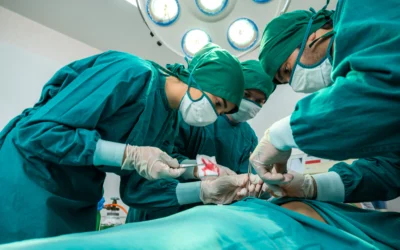
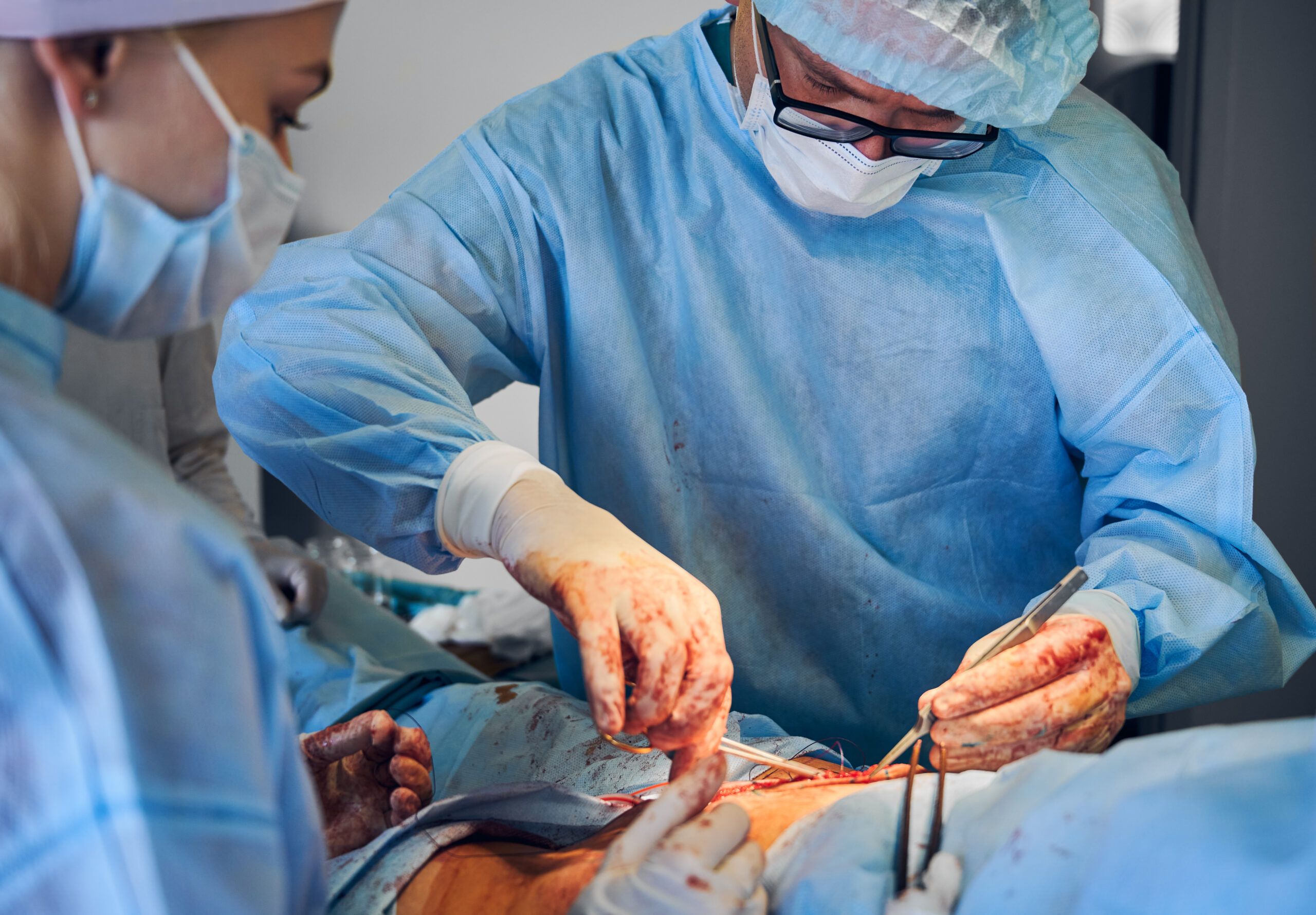
The pancreas, a vital organ located behind the stomach, plays a crucial role in our health, regulating blood sugar and producing essential enzymes for digestion. Unfortunately, this organ can also be affected by a variety of complex diseases, such as tumors and severe pancreatitis, often requiring specialized surgical intervention. Pancreatic surgery is one of the most challenging procedures in digestive surgery, demanding deep expertise and precision. In Cuenca, Ecuador, we are dedicated to offering advanced and personalized solutions for these conditions, providing hope and a better quality of life to our patients through a comprehensive approach and multidisciplinary teams.
Pancreatic surgery encompasses complex procedures aimed at treating diseases such as tumors, cysts, or chronic inflammation, by partially or totally resecting the pancreas and adjacent structures. Its objective is to cure the disease, control symptoms, or significantly improve the patient’s quality of life.
What is Pancreatic Surgery?
Pancreatic surgery, also known as pancreatic resection or pancreatectomy in its various forms, refers to a series of highly specialized and complex surgical procedures performed to treat various conditions affecting this important organ. The pancreas is a gland located deep in the abdomen, behind the stomach, which performs two vital functions: the exocrine function, which produces digestive enzymes to aid in food breakdown, and the endocrine function, which produces hormones such as insulin and glucagon, essential for regulating blood sugar levels.
When the pancreas is compromised by serious diseases, surgery may be the most effective or even the only option to save the patient’s life or drastically improve their prognosis. These conditions primarily include:
- Pancreatic Cancer: Pancreatic ductal adenocarcinoma is the most common and aggressive form. Surgery is the only potentially curative treatment in early stages. Other pancreatic tumors include neuroendocrine tumors (NETs), which can be benign or malignant, and cystic tumors.
- Chronic Pancreatitis: A persistent inflammation of the pancreas that can cause severe pain and complications such as the formation of pseudocysts, pancreatic duct stricture, or biliary duct obstruction. Surgery may be necessary to relieve pain, drain cysts, or unblock ducts.
- Pancreatic Cysts: Some types of cysts, such as mucinous cystadenomas (MCNs), intraductal papillary mucinous tumors (IPMTs), or symptomatic pseudocysts, may require resection due to their malignant potential, symptoms, or risk of complications.
- Pancreatic Trauma: Severe injuries to the pancreas due to accidents may require surgical intervention to control bleeding, repair damage, or resect part of the organ.
Given the complexity of the pancreas and its anatomical location, pancreatic surgery demands a surgeon with significant subspecialization and an experienced multidisciplinary team. My experience in hepatopancreatic digestive surgery allows me to address these challenges with the utmost precision and care, always seeking the best outcome for my patients here in Cuenca.
When is it Indicated?
The decision to undergo pancreatic surgery is not taken lightly and is always the result of a careful evaluation by a specialized medical team. The indications for this type of intervention are very specific and largely depend on the nature of the disease, its extent, and the patient’s general health status. As a specialist in hepatopancreatic digestive surgery, I consider surgery when:
- There is a Diagnosis of Resectable Pancreatic Cancer: This is the most frequent indication. If the cancer, whether a ductal adenocarcinoma or a neuroendocrine tumor, is localized and has not metastasized to distant organs or inoperably invaded vital blood vessels, surgery offers the best chance of cure. Even in some cases of locally advanced disease, after chemotherapy and/or radiation therapy (neoadjuvant therapy), surgery may be considered.
- There is Presence of Cystic Tumors with Malignant Potential: Some pancreatic cysts, such as certain types of intraductal papillary mucinous tumors (IPMTs) or mucinous cystadenomas, have a significant risk of transforming into cancer. Preventive surgery may be indicated to avoid this progression, based on imaging characteristics and biopsy.
- Chronic Pancreatitis Causes Intractable Pain or Complications: When pain associated with chronic pancreatitis does not respond to medical treatment, or when complications exist such as pancreatic duct obstruction, the formation of large symptomatic pseudocysts, or biliary duct stricture, surgery may be necessary to relieve symptoms and improve quality of life.
- Functional or Large Neuroendocrine Tumors Are Identified: Pancreatic neuroendocrine tumors (PNETs) can produce hormones that cause specific syndromes (insulinoma, gastrinoma, glucagonoma). If these tumors are functional, or if they are large and have a risk of dissemination, surgical resection is often the treatment of choice.
- Severe Pancreatic Trauma Exists: In cases of severe abdominal injuries resulting in significant damage to the pancreas, emergency surgery may be crucial to control bleeding, prevent serious infections, or repair the organ.
It is fundamental to understand that the surgical decision always involves an evaluation of risks and benefits. In my practice in Cuenca, I perform a thorough assessment, discussing the case with a multidisciplinary team of oncologists, gastroenterologists, radiologists, and pathologists, to ensure that pancreatic surgery is the most appropriate option for each patient.
Step-by-Step Process or Treatment
Pancreatic surgery is a journey that involves several stages, from initial diagnosis to postoperative recovery. As your specialist, Dr. Luis Flores, my commitment is to guide you through each step with the utmost professionalism and support.
1. Diagnosis and Preoperative Evaluation
Before any intervention, it is crucial to establish an accurate diagnosis and evaluate your general health status. This process includes:
- Advanced Imaging Studies: We use high-resolution computed tomography (CT), magnetic resonance imaging (MRI), and endoscopic ultrasound (EUS) to visualize the pancreas, identify the lesion, determine its size, location, and whether it has invaded adjacent structures or blood vessels.
- Biopsy (if necessary): In many cases, an endoscopic ultrasound-guided (EUS-guided) or percutaneous biopsy is required to confirm the nature of the tumor (benign or malignant) and its specific type.
- Comprehensive Medical Evaluation: Cardiac, pulmonary, and renal examinations are performed, as well as complete blood tests, to ensure that your body is in the best possible condition to undergo surgery. Nutritional optimization is also a fundamental pillar.
- Multidisciplinary Discussion: In Cuenca, we work as a team with other specialists (oncologists, gastroenterologists) to review your case, discuss all treatment options, and make the most informed decision.
2. Types of Pancreatic Surgery
There are several types of pancreatic surgeries, each adapted to the location and nature of the disease:
- Pancreaticoduodenectomy (Whipple Procedure):
- Description: It is one of the most complex operations. It involves the resection of the head of the pancreas, a portion of the duodenum (the first part of the small intestine), the gallbladder, and part of the common bile duct. Subsequently, a careful reconstruction is performed to reconnect the pancreas, bile duct, and stomach to the small intestine.
- Common Indications: Cancer in the head of the pancreas, tumors of the ampulla of Vater, distal cholangiocarcinomas, and duodenal tumors.
- Distal Pancreatectomy:
- Description: It involves the removal of the body and tail of the pancreas. Often, the spleen, which is near the tail of the pancreas, is also removed (distal splenopancreatectomy).
- Common Indications: Tumors located in the body or tail of the pancreas, certain types of neuroendocrine tumors, or chronic pancreatitis localized in these areas.
- Total Pancreatectomy:
- Description: It is the complete resection of the entire pancreas. Generally, the spleen, duodenum, gallbladder, and part of the stomach are also removed.
- Common Indications: Multifocal pancreatic cancer, severe diffuse chronic pancreatitis, or certain multiple neuroendocrine tumors. Total pancreatectomy results in lifelong diabetes mellitus and requires digestive enzyme supplements.
- Middle or Central Pancreatectomy:
- Description: Resection of the middle part of the pancreas, preserving the head and tail.
- Common Indications: Benign or low-grade tumors located in the neck or isthmus of the pancreas, aiming to preserve as much functional pancreatic tissue as possible.
- Drainage Procedures (e.g., Frey or Puestow):
- Description: These operations do not involve significant pancreatic resection, but rather aim to create a drainage pathway to relieve pressure and pain in patients with chronic pancreatitis and a dilated pancreatic duct.
- Common Indications: Chronic pancreatitis with intractable pain and a dilated pancreatic duct.
- Enucleation:
- Description: It involves the removal of a small, well-defined tumor from the pancreas, leaving the surrounding pancreatic tissue intact.
- Common Indications: Small, benign tumors or tumors with low malignant potential, such as insulinomas.
3. Surgical Approaches
Pancreatic surgery can be performed using different approaches:
- Open Surgery (Laparotomy): This is the traditional approach, where a large incision is made in the abdomen to directly access the pancreas.
- Laparoscopic Surgery (Minimally Invasive): Through small incisions, thin instruments and a camera are used to perform the surgery. This can result in less postoperative pain and a faster recovery.
- Robotic Surgery: An advanced variant of laparoscopic surgery that uses a robotic system controlled by the surgeon, offering greater precision and dexterity in complex procedures.
In my practice in Cuenca, we carefully evaluate which approach is safest and most effective for each patient, always prioritizing their well-being and optimizing outcomes. My experience includes the use of minimally invasive techniques when appropriate for the case.
4. Immediate Postoperative Period
After surgery, patients are closely monitored in an intensive or intermediate care unit. Pain is managed with medication, intravenous fluids are administered, and nutrition is gradually initiated. Strict monitoring of vital signs and early detection of possible complications are crucial in this phase.
Recovery and Care
Recovery from pancreatic surgery is a gradual process and requires patience and collaboration among the patient, family, and medical team. My goal as Dr. Luis Flores is to ensure that you have the necessary support and information at every stage.
Hospitalization
The length of hospital stay varies depending on the type of surgery and the occurrence of potential complications. Generally, it can range from 7 to 21 days. During this time, the medical team monitors your progress, controls pain, and ensures that your digestive and general systems recover adequately.
Pain Management
It is normal to experience pain after major surgery. You will be given powerful analgesic medications, and the dosage will be adjusted according to your needs to ensure your comfort. A multimodal approach is often used, combining different types of pain relievers for effective pain control.
Diet and Nutrition
Feeding is gradually reintroduced. Initially, you will be given clear liquids, slowly progressing to a soft diet and then to solid foods, depending on your tolerance. It is common to need supplementary pancreatic enzymes to aid in the digestion of fats and proteins, especially if a significant portion of the pancreas has been removed. A nutritionist will be a fundamental part of your recovery team to guide you through these dietary changes.
Physical Activity
You will be encouraged to get up and walk soon after surgery to prevent complications such as blood clots and pneumonia. Physical activity should be gradual, avoiding heavy lifting or intense exertion for several weeks or months, according to the specific instructions provided to you. Fatigue is a common symptom during recovery, and it is important to listen to your body and rest when necessary.
Potential Complications
Although we strive to minimize risks, pancreatic surgery carries the possibility of complications. The most important ones include:
- Pancreatic Fistula: This is the most specific and serious complication, where pancreatic fluid leaks from the suture line into the abdominal cavity. It requires expert management and can prolong hospital stay.
- Hemorrhage: Internal or external bleeding.
- Infection: In the surgical wound or intra-abdominal.
- Delayed Gastric Emptying: The stomach takes longer than normal to empty its contents.
- Diabetes Mellitus: If a large part or the entire pancreas is removed, the body may stop producing enough insulin, resulting in diabetes that will require management with insulin injections.
- Exocrine Pancreatic Insufficiency: Difficulty digesting food due to a lack of pancreatic enzymes, requiring supplements.
Postoperative Follow-up
Regular follow-up is crucial. This will include appointments with me at my practice in Cuenca, blood tests, and imaging studies to monitor your recovery, adjust medications (such as enzymes or insulin), and detect any signs of recurrence if the surgery was for cancer. Rehabilitation and continuous support are essential components for a successful long-term recovery.
Frequently Asked Questions
Is it Painful?
It is natural to be concerned about postoperative pain. Pancreatic surgery is a major procedure, and yes, it can generate significant pain. However, currently, we have advanced protocols for pain management. We implement multimodal analgesia, which may include opioid medications, non-steroidal anti-inflammatory drugs (NSAIDs), and regional techniques such as epidural anesthesia. Our goal is for you to be as comfortable as possible during your recovery, and we will adjust your pain management plan individually.
How Long Does Recovery Take?
The duration of recovery varies considerably among patients and depends on the specific type of pancreatic surgery performed, as well as the occurrence of possible complications. Generally, the hospital stay can be 1 to 3 weeks. Full recovery to resume normal daily activities and feel adequate energy can take 2 to 4 months. Fatigue is a very common symptom during this period. It is important to follow postoperative instructions meticulously and allow your body to recover at its own pace.
Is it Covered by Health Insurance in Ecuador?
Yes, in general, pancreatic surgery is a major medical procedure that is usually covered by most private health insurance plans and by the Ecuadorian Social Security Institute (IESS) in Ecuador, provided it is medically indicated. However, the exact coverage, deductibles, co-insurance, and maximum limits depend on the specific conditions of your policy. It is essential that you contact your insurance company or the IESS directly to obtain precise details about your coverage before surgery. The cost of the procedure is defined after a comprehensive assessment by the specialist, considering all clinical details of your case. For more information about health insurance and its coverage for surgical procedures, I invite you to visit our blog: www.drluisflores.com/seguros-medicos-en-ecuador.
What are the Main Risks of Pancreatic Surgery?
Like all major surgery, pancreatic surgery carries risks, although these are carefully discussed and managed. The main risks include:
- Pancreatic Fistula: This is the most feared and specific complication, where digestive fluid from the pancreas leaks from the suture line, which can cause irritation, infection, and the need for prolonged drainage.
- Hemorrhage: Possibility of bleeding during or after surgery.
- Infection: In the surgical wound or within the abdomen.
- Delayed Gastric Emptying: The stomach takes longer than normal to resume its function, which can prolong hospital stay.
- Diabetes Mellitus: Especially if a significant portion or the entire pancreas is removed, affecting insulin production.
- Exocrine Pancreatic Insufficiency: Difficulty digesting food due to a lack of pancreatic enzymes, requiring supplements.
- Other Complications: General risks associated with any major surgery, such as heart or lung problems, deep vein thrombosis, or pulmonary embolism.
My team and I, in Cuenca, take all necessary precautions and apply best practices based on international clinical guidelines to minimize these risks and ensure your safety throughout the entire process.
Comparison of Pancreatic Surgery Types
To better understand the options, I have prepared a comparative table of the main types of pancreatic surgery:
| Type of Surgery | What is Primarily Resected | Common Indications | Specific Considerations |
|---|---|---|---|
| Pancreaticoduodenectomy (Whipple Procedure) | Head of the pancreas, duodenum, gallbladder, part of the bile duct | Cancer of the head of the pancreas, periampullary tumors, distal cholangiocarcinoma, duodenal tumors | Most complex procedure, higher risk of pancreatic fistula, requires complex digestive reconstruction |
| Distal Pancreatectomy | Body and tail of the pancreas (often includes the spleen) | Tumors in the body/tail of the pancreas, neuroendocrine tumors, chronic pancreatitis localized in these areas | Less complex than Whipple, risk of postoperative diabetes if a significant portion of the pancreas is removed |
| Total Pancreatectomy | Entire pancreas (often spleen, duodenum, gallbladder) | Multifocal cancer, severe diffuse chronic pancreatitis, certain multiple neuroendocrine tumors | Induces permanent diabetes mellitus and exocrine pancreatic insufficiency, requires lifelong management with insulin and enzymes |
| Enucleation | Only the tumor, preserving the surrounding pancreatic tissue | Small benign tumors or those with low malignant potential (e.g., insulinoma), superficially located | Less impact on pancreatic function, but with risk of pancreatic fistula. Only applicable to specific tumors. |
| Drainage Procedures (Frey, Puestow) | No significant resection, a connection is created between the pancreatic duct and the intestine | Chronic pancreatitis with dilated pancreatic duct and intractable pain | Main objective is to relieve pain and improve drainage, not to cure the pancreas. |
When to Consult Dr. Luis Flores?
Pancreatic disease is complex and requires the attention of an experienced specialist. As Dr. Luis Flores, a specialist in hepatopancreatic digestive surgery, I am here to offer you my knowledge and the most advanced technology available in Cuenca, Ecuador.
I recommend you schedule a consultation if:
- You experience persistent or worrying symptoms that suggest pancreatic disease, such as intense and recurrent abdominal pain (especially if it radiates to the back), jaundice (yellowing of the skin and eyes), unexplained weight loss, changes in stools (pale, greasy), or constant nausea and vomiting.
- You have been diagnosed with a mass, cyst, or tumor in the pancreas, and need an expert evaluation to determine the best course of action, including the possibility of surgery.
- You suffer from chronic pancreatitis and your pain is not controlled with medical treatments, or if you have developed complications such as pseudocysts or duct stricture.
- You are seeking a second opinion on a diagnosis or treatment plan related to the pancreas, ensuring you have the most complete and up-to-date information.
My commitment is to provide you with comprehensive care, from accurate diagnosis to a personalized treatment plan and supported recovery. Do not hesitate to seek professional advice to address your pancreatic health concerns.
To schedule an appointment and discuss your case confidentially and professionally, I invite you to contact my practice: www.drluisflores.com/contacto.
My focus is on providing the highest quality of surgical care in Cuenca, Ecuador, using the most advanced techniques to achieve the best possible outcomes for each of my patients.