
Pancreatic surgery represents one of the most challenging and specialized fields within digestive surgery. As Dr. Luis Flores, a specialist in hepatopancreaticobiliary (HPB) digestive surgery in Cuenca, Ecuador, I understand the complexity and anxiety that facing a pancreatic disease generates. My commitment is to offer my patients clear and precise information about these vital procedures. From diagnosis to recovery, pancreatic surgery aims to improve the quality of life and prognosis for patients with conditions ranging from benign tumors to advanced cancer, requiring a multidisciplinary approach and high-precision surgical technique.
Pancreatic surgery is a complex procedure that involves the partial or total removal of the pancreas, or adjacent tissues, to treat various diseases such as tumors, cysts, or severe pancreatitis, with the goal of alleviating symptoms and potentially curing the condition.
What is Pancreatic Surgery?
The pancreas is a vital organ located behind the stomach, with a crucial dual function for our body. On one hand, its exocrine function produces digestive enzymes essential for food assimilation; on the other, its endocrine function, through the islets of Langerhans, regulates blood sugar levels by producing hormones like insulin and glucagon. Given its deep location and delicate structure, any surgical intervention on this organ is intrinsically complex and demands a high level of specialization and experience.
Pancreatic surgery is a major surgical procedure performed to treat a variety of conditions affecting this organ. These conditions can be benign, such as cysts or severe chronic pancreatitis, or malignant, such as pancreatic adenocarcinoma or neuroendocrine tumors. The primary goal of surgery is to remove diseased tissue while preserving, as much as possible, pancreatic function and the integrity of surrounding organs.
There are several types of pancreatic surgery, and the choice of procedure depends on the location and nature of the disease:
- Pancreaticoduodenectomy (Whipple Procedure): This is one of the best-known and most complex surgeries. It is primarily performed to treat tumors in the head of the pancreas, the duodenum, the distal bile duct, or the ampulla of Vater. It involves the removal of the head of the pancreas, a portion of the duodenum (the first part of the small intestine), the gallbladder, and part of the bile duct. Subsequently, the digestive system is reconstructed to allow digestive juices and bile to flow into the small intestine.
- Distal Pancreatectomy: This procedure is indicated for tumors or lesions in the body or tail of the pancreas. It involves the removal of the left part of the pancreas, and occasionally, the spleen if it is involved or to ensure an adequate oncological margin.
- Total Pancreatectomy: In cases where the disease extensively affects the entire pancreas or there are multiple tumors, complete removal of the organ may be necessary. This surgery results in permanent diabetes and complete exocrine insufficiency, requiring lifelong management with insulin and pancreatic enzymes.
- Enucleation: A more limited procedure used to remove small, benign, or low-grade tumors that are located on the surface of the pancreas, without the need to resect a larger portion of the organ.
- Drainage Procedures: For conditions such as pancreatic pseudocysts or chronic pancreatitis with dilated ducts, surgeries may be performed to drain fluid or relieve obstructions (e.g., lateral pancreaticojejunostomy or Puestow procedure).
In my practice in Cuenca, Ecuador, I apply advanced surgical techniques, including minimally invasive approaches such as laparoscopic and robotic surgery, when appropriate for the patient. These approaches can offer benefits such as less postoperative pain, shorter hospital stays, and faster recovery, although the decision is always based on the individual evaluation of each case.
When is it indicated?
The decision to perform pancreatic surgery is not taken lightly. It is based on a comprehensive evaluation of the patient’s condition, the nature of the disease, its extent, and overall health. My goal is to determine the most effective and safest treatment for each individual, always seeking the best quality of life and long-term prognosis.
The main indications for pancreatic surgery include:
- Pancreatic Cancer: Pancreatic adenocarcinoma is the most common indication. If the tumor is resectable (i.e., has not spread and can be completely removed), surgery is the only curative option. Other malignant tumors such as pancreatic neuroendocrine tumors (PNETs) may also require surgery.
- Pancreatic Cysts: Some types of cysts, such as mucinous cysts or IPMNs (intraductal papillary mucinous neoplasms) with high-risk features or suspicion of malignancy, have the potential to become cancerous, and their surgical removal is indicated.
- Chronic Pancreatitis: In severe cases of chronic pancreatitis, when patients experience intractable pain, biliary or duodenal duct obstruction, or the formation of large, symptomatic pseudocysts, surgery may be necessary to alleviate symptoms and improve quality of life.
- Pancreatic Trauma: Severe injuries to the pancreas due to abdominal trauma may require surgical intervention to repair the damage, control bleeding, or drain collections.
- Other Pancreatic Tumors: Symptomatic benign tumors or certain types of endocrine tumors (e.g., insulinoma, gastrinoma) may require surgical removal.
Preoperative evaluation in my clinic is crucial and involves a multidisciplinary team to ensure that surgery is the most suitable option. This team includes oncologists, gastroenterologists, radiologists, and anesthesiologists, working together to provide you with the most comprehensive care.
For greater clarity, I present a comparative table of some of the most common conditions requiring pancreatic surgery and the typically associated procedures:
| Condition | Primary Indication for Surgery | Common Surgical Procedure | Specific Considerations |
|---|---|---|---|
| Pancreatic Adenocarcinoma | Resectable (no distant metastases, clear margins possible). | Pancreaticoduodenectomy (Whipple), Distal Pancreatectomy, Total Pancreatectomy. | Only curative option. Often requires adjuvant chemotherapy. |
| Pancreatic Neuroendocrine Tumors (PNETs) | Resectable, symptomatic (excessive hormone production), risk of malignancy. | Enucleation, Distal Pancreatectomy, Pancreaticoduodenectomy. | Less aggressive than adenocarcinoma, but removal is key. |
| Pancreatic Cysts (high-risk IPMN, Mucinous Cystadenomas) | Malignant potential, rapid growth, compressive symptoms. | Distal Pancreatectomy, Pancreaticoduodenectomy, Enucleation. | Prevention of progression to cancer. Evaluation by EUS and markers. |
| Complicated Chronic Pancreatitis | Intractable pain, biliary/ductal obstruction, large pseudocyst formation. | Drainage procedures (Puestow, Frey), Partial Pancreatectomy. | Pain relief and improved quality of life. |
| Pancreatic Trauma | Severe injuries with ductal damage, uncontrolled bleeding, sepsis. | Direct repair, Partial Pancreatectomy, drainage. | Surgical emergency. Depends on the extent and location of the injury. |
Step-by-step process or treatment
The journey to pancreatic surgery is a meticulous process that requires detailed planning and precise execution. As your surgeon, Dr. Luis Flores, my team and I are with you every step of the way, ensuring you receive the most advanced and humane care in Cuenca, Ecuador.
- Diagnosis and Preoperative Evaluation:
- Imaging Studies: Multidetector computed tomography (CT), magnetic resonance imaging (MRI), and in many cases, endoscopic ultrasound (EUS) with or without biopsy, are performed to characterize the pancreatic lesion and evaluate its relationship with vital vascular structures.
- Blood Tests: Liver function, kidney function, coagulation, and tumor marker levels are evaluated if applicable.
- Cardiopulmonary Evaluation: Studies such as electrocardiogram, echocardiogram, pulmonary function tests, and consultation with cardiology or pulmonology are performed to ensure the patient is fit for major surgery.
- Nutritional Optimization: Given the nature of pancreatic diseases, many patients present with malnutrition. Nutritional optimization is worked on, sometimes with supplements or enteral/parenteral nutrition, before surgery to improve postoperative outcomes.
- Multidisciplinary Discussion: In my practice, each case is discussed in a multidisciplinary committee to define the most appropriate therapeutic strategy, considering all options.
- Preparation for Surgery:
- Informed Consent: We will thoroughly discuss the procedure, its risks, benefits, and alternatives, so that you and your family can make an informed decision.
- Medication Adjustment: The patient is instructed on which medications to stop or adjust before surgery.
- Fasting: Several hours of fasting are required before the intervention.
- Bowel Preparation (in some cases): Although not universal, in certain cases, specific bowel preparation may be indicated.
- The Surgical Procedure:
- Anesthesia: General anesthesia is administered to ensure you are completely asleep and pain-free throughout the surgery.
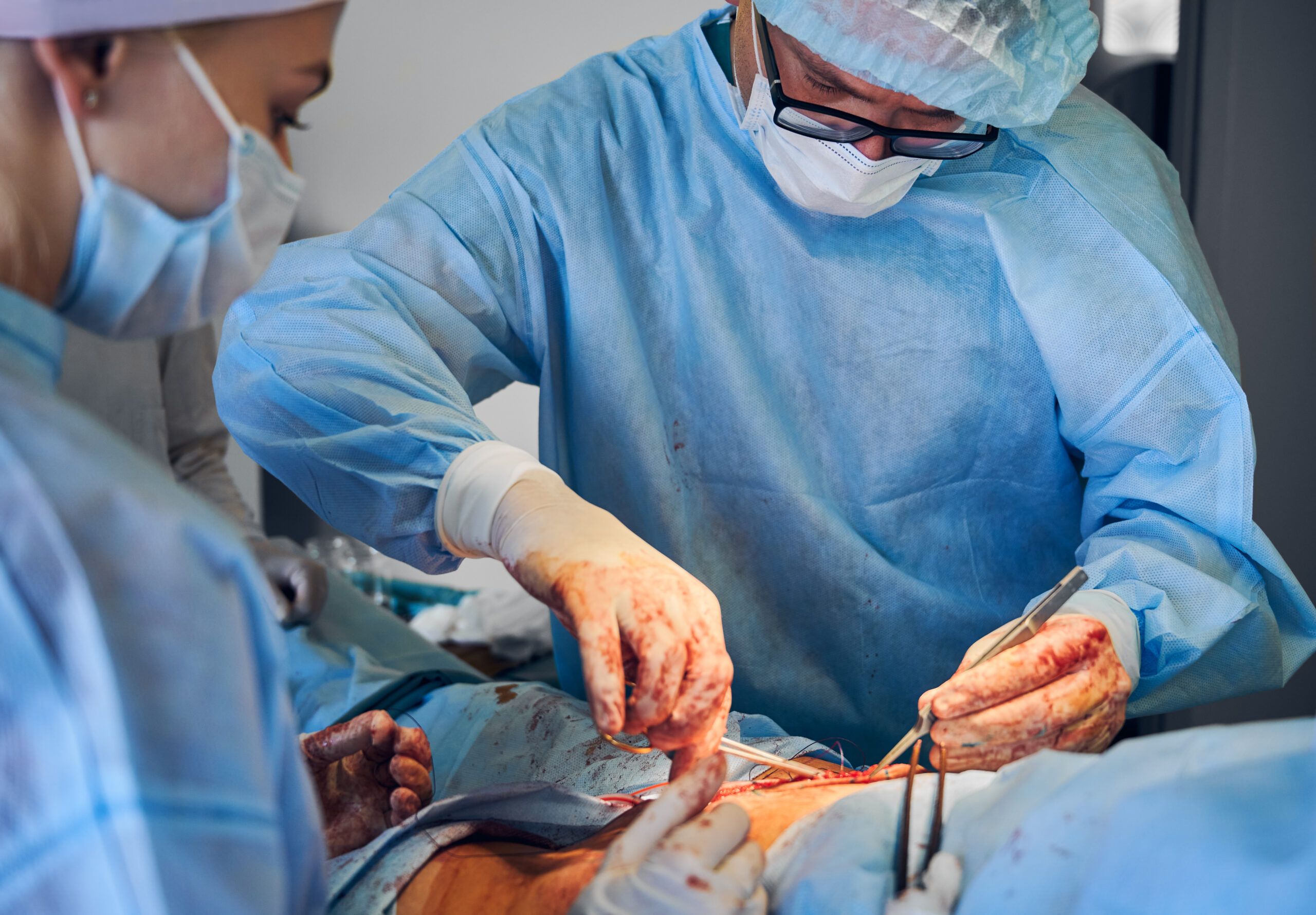
- Approach: Depending on the case, a laparotomy (open abdominal incision) or a minimally invasive approach (laparoscopic or robotic) will be performed through small incisions.
- Resection: The diseased portion of the pancreas and, if applicable, involved adjacent tissues or organs, are removed with the utmost care to preserve remaining functionality and achieve disease-free margins.
- Reconstruction: After resection, the digestive and biliary tracts are reconstructed to restore normal flow of bile and digestive enzymes. This is a critical step, especially in procedures like the Whipple.
- Placement of Drains: Temporary drains are often left to monitor and evacuate postoperative fluids, reducing the risk of complications.
- Immediate Postoperative Period:
- Recovery Unit/Intensive Care Unit: After surgery, you will spend time in the recovery unit or Intensive Care Unit (ICU) for close monitoring of your vital signs and pain management.
- Pain Management: An effective pain management plan is implemented using intravenous analgesics and, occasionally, epidural anesthesia.
- Fluid Monitoring and Management: Intravenous fluids and urine output are strictly controlled.
Recovery and care
Recovery from pancreatic surgery is a gradual process that requires patience and commitment from both the patient and their medical team. In Cuenca, my team and I will provide you with a personalized care plan to optimize your recovery.
- Hospital Stay:
The length of hospital stay varies according to the type of surgery and individual evolution, generally ranging from 7 to 14 days. During this time, your recovery will be monitored, early mobility will be initiated, and your diet will be progressed.
- Pain Management:
Adequate pain control is a priority. You will be given analgesics as needed, and you will be taught how to manage them at home. Pain tends to decrease significantly in the first few weeks.
- Nutrition and Diet:
Diet is gradually introduced, starting with clear liquids and progressing to soft foods and then to a regular low-fat diet. It is crucial to follow dietary recommendations to avoid digestive discomfort. In many cases, patients will need lifelong pancreatic enzyme supplements (PERT) to help digest food, especially after extensive procedures or pancreatectomies.
- Diabetes Management:
If surgery has affected insulin production, you may develop or exacerbate diabetes. This is more common after total or subtotal pancreatectomy. You will be educated on glucose monitoring and insulin administration, in collaboration with an endocrinologist.
- Physical Activity and Mobility:
Early mobilization is encouraged from the first postoperative day to prevent complications such as blood clots and pneumonia. Strenuous activities, heavy lifting, and vigorous exercise should be avoided for 6 to 8 weeks, or according to the specific instructions I will give you. Walking is an excellent form of exercise during recovery.
- Wound Care:
Keeping the incision clean and dry is essential to prevent infections. You will be given detailed instructions on wound care and drains, if any, and when they should be removed.
- Medical Follow-up:
Follow-up appointments are essential to monitor your recovery, adjust medications (enzymes, insulin), detect possible complications, and, in cases of cancer, perform oncological surveillance. These consultations are an integral part of your long-term recovery.
- Emotional Support:
Major surgery like this can be emotionally challenging. Do not hesitate to seek psychological support or join support groups if you need to. In my practice, I always emphasize the importance of the patient’s holistic well-being.
Total recovery can take from several weeks to several months, and adapting to changes in pancreatic function is an ongoing process. My commitment is to accompany you every step of this process, ensuring you receive the best care and necessary support.
Frequently asked questions
Is it painful?
It’s natural to worry about pain after pancreatic surgery, given that it’s a major procedure. However, today, we have advanced protocols for pain management. During your hospital stay, you will receive powerful intravenous analgesics, and in some cases, a PCA (Patient-Controlled Analgesia) pump or epidural analgesia may be used so that you can control your level of relief yourself. My team will ensure your pain is well-controlled to allow for early mobilization and a more comfortable recovery. Once at home, you will be prescribed oral analgesics and given precise instructions on how to use them to keep pain at bay. Although you will feel discomfort, especially in the first few weeks, the pain is manageable and progressively decreases.
How long does recovery take?
The duration of recovery varies considerably from patient to patient and depends on factors such as the specific type of surgery performed, your general health before the operation, and the occurrence of any complications. In general, hospital stay is usually 1 to 2 weeks. Full recovery at home can take 2 to 3 months, or even longer for some patients. During this time, a gradual return to daily activities is expected. The first few weeks involve rest and pain management. Towards the end of the first month, many patients can begin light activities. Returning to work and vigorous physical activity is usually recommended after 2 to 3 months, always with my specific approval. It is a process of patience and listening to your body.
Does health insurance cover it in Ecuador?
In Ecuador, coverage for pancreatic surgery by private health insurance or the IESS (Ecuadorian Social Security Institute) depends directly on the terms of your policy or affiliation. Most health insurances that cover major surgeries and catastrophic illnesses usually include these types of procedures, especially when they are medically necessary. However, it is essential that each patient directly contacts their insurer or IESS to confirm the specific coverage of their plan, copayment or deductible percentages, and pre-authorization requirements. My team and I will provide you with all the necessary medical documentation to facilitate this process with your insurer.
What are the possible complications of pancreatic surgery?
As with any major surgery, pancreatic surgery carries risks, although we work diligently to minimize them. Some of the potential complications include:
- Pancreatic Fistula: This is the most specific and feared complication, where pancreatic juices leak from the reconnection site, potentially causing infection or damage to adjacent tissues.
- Hemorrhage: Can occur during or after surgery.
- Infection: In the surgical wound or intra-abdominal.
- Delayed Gastric Emptying: A condition in which the stomach takes time to empty, which can prolong hospital stay and require temporary dietary modifications.
- Exocrine Pancreatic Insufficiency: The pancreas may not produce enough digestive enzymes, requiring lifelong supplements.
- Diabetes Mellitus: If a significant portion of the pancreas that produces insulin, or the entire organ, is removed, the patient may develop diabetes.
- Biliary Problems: Such as bile leaks or strictures (narrowing) of the biliary reconnections.
- Blood Clots: In the legs (deep vein thrombosis) or lungs (pulmonary embolism), prevented with early mobilization and medication.
My team and I will explain all these risks in detail and how we manage them before surgery, and we will be vigilant during your recovery to detect and treat them promptly.
The complexity of pancreatic surgery demands not only exceptional technical skill but also a humanized and patient-centered approach. My commitment, as Dr. Luis Flores, a specialist in Cuenca, Ecuador, is to provide you with the utmost safety and the best possible results, utilizing the most advanced technology and a team of highly qualified professionals.
When to consult Dr. Luis Flores?
If you or a loved one presents symptoms suggestive of pancreatic disease, or if you have already received a diagnosis and are seeking a specialized opinion, do not hesitate to contact me. My practice in Cuenca, Ecuador, focuses on hepatopancreaticobiliary digestive surgery, and I am here to offer you a complete evaluation and a personalized treatment plan.
You should consider a consultation with me if you experience:
- Persistent abdominal pain, especially in the upper abdomen radiating to the back.
- Jaundice (yellowing of the skin and eyes).
- Unexplained weight loss.
- Nausea, vomiting, or changes in bowel habits (greasy, pale stools).
- Recent diagnosis of pancreatic cancer, high-risk pancreatic cysts, or complicated chronic pancreatitis.
- Need for a second opinion on the management of a complex pancreatic disease.
My experience and dedication to this surgical subspecialty allow me to offer you the most advanced treatment options. Together, we can evaluate your situation, discuss the best therapeutic alternatives, and work towards an effective solution. I invite you to visit my HPB surgery services page for more information or to contact me directly to schedule an appointment. Your health is my priority, and I am ready to accompany you in this process.